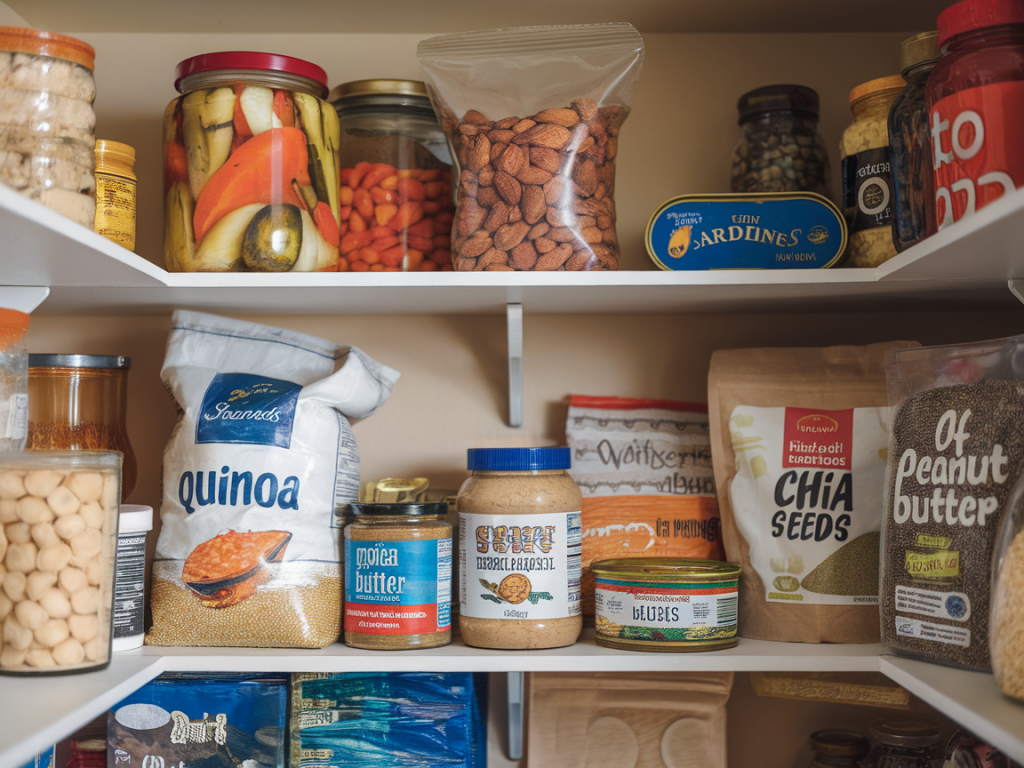
I used to wake up some mornings with a thick, slow-headed feeling that made simple decisions feel like climbing a hill. Over the years, I’ve learned that the fog in my mind often cleared not with a drastic new diet or supplement, but with small, familiar swaps on my kitchen shelves. Below I share seven pantry staples I now keep on hand to sharpen clarity and lift mood—why they help, how I use them, and practical tips so you can try them without stress.
Why pantry swaps can help brain fog
Brain fog is a catch-all for sluggish thinking, poor focus, and fuzzy memory. It’s rarely caused by a single thing. Hydration, blood sugar balance, inflammation, nutrient gaps, sleep quality and gut health all play a part. The good news: many simple, shelf-stable foods support these pathways. Instead of chasing a magic pill, I focus on the small, repeatable choices that nudge metabolism and mood in the right direction.
My seven shelf staples that help me think more clearly
Below I list the items I reach for most. I’ll explain the why, how I use them, and a few easy swap ideas that don’t require a store overhaul.
Why: Rich in monounsaturated fats and polyphenols, olive oil supports heart and brain health. Polyphenols have anti-inflammatory properties that may protect cognitive function over time.
How I use it: I drizzle a tablespoon over cooked vegetables, use it in dressings with lemon and mustard, or add a splash to my morning beans. I prefer cold-pressed extra-virgin options like an organic Spanish or Italian bottle—taste matters and makes the habit stick.
Swap tip: Replace highly processed seed oils with olive oil for most low-heat uses and opt for avocado oil for higher-heat cooking.
Why: These are superb shelf-stable sources of long-chain omega-3s (EPA and DHA), which support brain cell membranes, neurotransmitter function and mood regulation.
How I use it: I keep a tin of wild sardines in olive oil on the shelf for quick lunches—on wholegrain toast with lemon, or mixed into salads and pasta. If you dislike the flavour, start with smoked salmon or try mackerel pâté.
Swap tip: If you don’t eat fish, look for algae-based DHA supplements, but I encourage trying canned fish at least once—nutrients are dense and affordable.
Why: Legumes are steady sources of complex carbs, fibre and plant protein that stabilise blood sugar. Sharp dips or spikes in glucose can make concentration wobble, so slow-burning carbs are a simple fix.
How I use it: I make quick hummus with canned chickpeas, tahini, lemon and garlic for a brain-friendly snack that keeps my energy steady. Roasted chickpeas are another crunchy alternative to processed crisps.
Swap tip: Replace refined crackers or sugary snacks with hummus and veg, or chickpea-based crackers like the ones from boxes such as Crunchmaster.
Why: Turmeric contains curcumin, an anti-inflammatory compound that can support brain health. While the spice alone isn’t a cure-all, used regularly it may help reduce chronic inflammatory load.
How I use it: I add a pinch to soups, stews, and my morning porridge. For better absorption, I combine turmeric with a little black pepper and a healthy fat (like olive oil or coconut milk).
Swap tip: Swap a bland seasoning for turmeric in savoury dishes—curry powder blends are an easy way to build flavour and routine consumption.
Why: Oats deliver slow-release carbohydrates and beta-glucan fibre, which help maintain steady glucose levels. A stable blood sugar is one of the simplest ways to keep your brain clearer throughout the morning.
How I use it: Overnight oats with yogurt and berries or a warm bowl with cinnamon and nuts. Oats are also great in savoury baked dishes and energy bars.
Swap tip: Swap sugary breakfast cereals for oats; if you’re short on time, pre-portion overnight jars so they’re grab-and-go.
Why: Walnuts have a favourable omega-3 to omega-6 ratio among nuts, plus antioxidants and polyphenols. They’re linked in some studies to cognitive benefits and better mood.
How I use it: I keep a jar of walnuts near my kettle so I’m more likely to snack on them instead of something highly processed. I also chop them into salads and porridge.
Swap tip: Replace sugary or salty snack mixes with a homemade trail mix of walnuts, pumpkin seeds, and a few dark chocolate chips.
Why: Broth supports hydration, provides minerals and, if homemade, offers collagen and glycine which can support sleep quality and gut health—both important for cognition and mood.
How I use it: On foggy days, I sip warm broth as a mini reset between tasks—it’s comforting and calming. I also use broth as the base for quick soups with turmeric, greens and quinoa.
Swap tip: Replace heavy creamy soups and salty instant noodles with a quick broth-based soup to get nourishment without a post-meal slump.
Quick comparison
| Staple | Main brain benefit | Easy swap idea |
|---|---|---|
| Extra-virgin olive oil | Anti-inflammatory fats, polyphenols | Replace seed oils for dressings and low-heat cooking |
| Canned oily fish | EPA/DHA omega-3s for cell function | Try sardines on toast instead of buttered toast |
| Chickpeas | Stable glucose, fibre, protein | Swap crisps for hummus & veg |
| Turmeric | Anti-inflammatory curcumin | Add turmeric to soups and curries |
| Oats | Slow-release carbs, beta-glucans | Replace sugary cereals |
| Walnuts | Omega-3s, antioxidants | Swap chocolate snack bars for a handful of walnuts |
| Low-sodium broth | Hydration, minerals, gut support | Sip broth instead of reach-for sugary drinks |
How I build these swaps into a busy week
I don’t aim for perfection—just one dependable swap at a time. Here’s what my week looks like:
Little routines like this make the changes stick. I also keep a small labelled basket in my pantry with the staples above so when I’m stressed or short on time I don’t default to packaged convenience foods.
Practical considerations and cautions
These swaps are gentle and practical, but there are a few things to keep in mind:
If you try one swap this week, make it an easy one—maybe hummus instead of crisps, or a tin of sardines waiting in your cupboard. Small and consistent choices have the power to clear mental clutter more than an occasional overhaul. I’d love to hear which swap helps you most—leave a comment or tell me what you’d like help adapting to your routine.