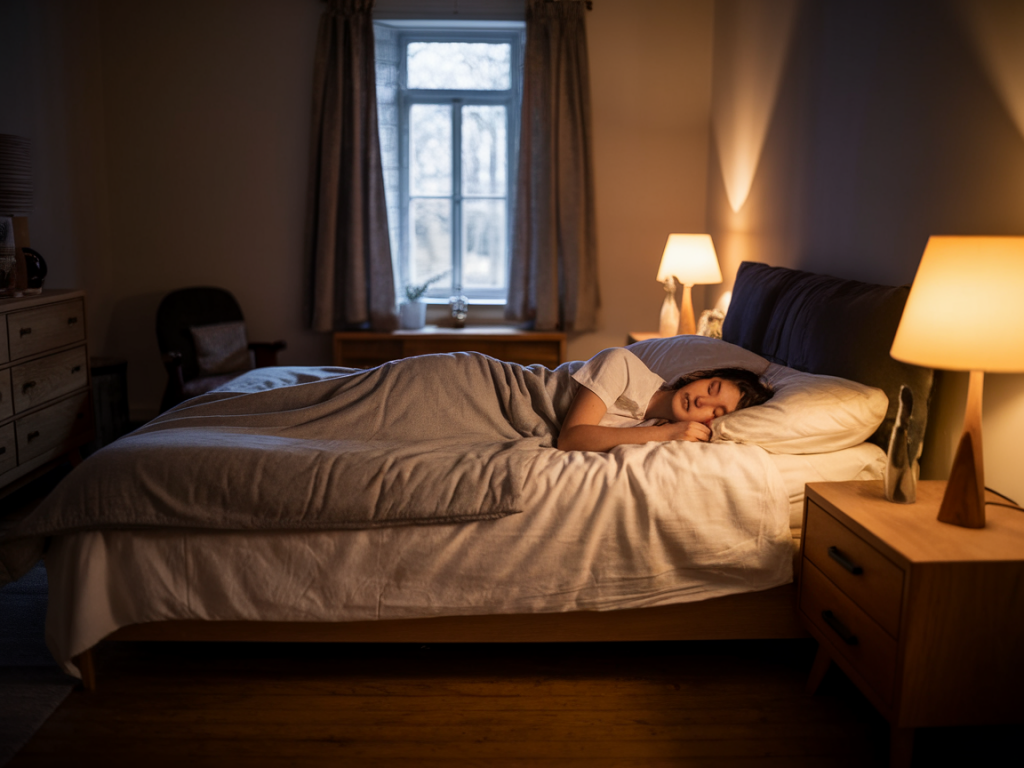
Weekend insomnia used to be my recurring, frustrating ritual: I’d fall into weekday rhythms, wake on Saturday morning thinking I’d "catch up" with sleep, then find myself wide-eyed at 2 a.m. on Sunday, anxious about Monday. Over time I learned that the key wasn’t some dramatic fix but a gentle, focused audit of my sleep habits across two weeks. That audit helped me spot patterns, test changes, and settle into a rhythm that respected both weekday structure and weekend flexibility.
Why two weeks?
Two weeks is long enough to see patterns and short enough to stay motivated. Sleep can vary day-to-day due to stress, exercise, or caffeine, so one night is rarely representative. A two-week audit captures weekdays and weekends, giving you clear comparisons and room to try small changes and see their effects.
What you’ll need
- A simple sleep log — I prefer a small notebook by my bed or a notes page on my phone. You can use a printable template, a notes app, or a sleep-tracking app (I like using a manual log because it makes me more mindful).
- A baseline week and a test week — Week 1: observe without trying to change much. Week 2: implement targeted tweaks.
- Basic tools — a pen, a dim bedside lamp, blackout curtains or an eye mask, and optionally a blue-light filter on devices (most phones have night-shift modes).
- Optional: a sleep-tracking wearable or app (Fitbit, Oura, or your phone’s sleep feature) if you want extra data. Remember these are supporting tools, not the full picture.
How to set up your sleep log
Use this simple table in your notebook or create a small spreadsheet. Record the following every day:
| Date | Bedtime | Lights-out (attempt to sleep) | Time woke | Total sleep (approx.) | Daytime naps | Caffeine after 3pm | Alcohol | Exercise | Stress level (1-5) | Notes (screens, meals, bedroom temperature) |
|---|---|---|---|---|---|---|---|---|---|---|
| Example | 11:00pm | 11:20pm | 7:00am | 7h30 | 20min | No | No | 30min walk | 3 | Used laptop at 10pm; window open |
Filling this out takes two minutes each morning. The reward is clarity: you’ll start to see which habits line up with better nights and which wakeful mornings repeat.
Week 1 — Observation (no major changes)
This week you’re a curious scientist. Don’t overhaul your routine yet. Note patterns and resist the urge to chase immediate fixes. Focus on recording:
- When you get into bed vs when you switch lights off.
- How long it takes to fall asleep.
- How many times you wake and for how long.
- How rested you feel on waking (rate 1–5).
- What you did in the 2–3 hours before bed (food, alcohol, screens, movement).
At the end of the week, scan your log for recurring differences between weekdays and weekends. Common patterns I’ve seen: later bedtimes on Friday/Saturday, more alcohol, late dinners, variable wake times, and increased evening screen use.
Week 2 — Targeted adjustments
Choose 2–3 small, specific changes based on your Week 1 findings. The goal is to be realistic and consistent. Here are changes I recommend and things I tried myself:
- Stabilise wake time: Even on weekends, aim to wake within a 60–90 minute window each day. I used a gentle alarm and opened curtains to cue my body clock.
- Evening wind-down routine: Pick a predictable 30–45 minute sequence before bed. My routine: dim lights, herbal tea (rooibos), 10 minutes of journaling, 5 minutes of relaxed breathing. The predictability signals sleep time to my nervous system.
- Limit late alcohol and heavy meals: I allowed a small glass early in the evening but avoided drinking within three hours of bed and kept dinner lighter on Saturday nights.
- Reduce evening screen stimulation: If you can’t ditch devices, use night modes or apps like f.lux, and switch to low-arousal activities (reading a paperback, gentle stretching).
- Keep the bedroom for sleep: No working in bed. If you read, choose a printed book or an e-reader with warm light settings.
- Respect naps: If you nap, keep them brief (20–30 minutes) and before 3pm.
- Adjust light exposure: Bright morning light helps anchor circadian rhythms. On weekends I let light in first thing and took a short morning walk.
How to interpret what you find
Compare the two weeks using simple questions:
- Did stabilising wake time reduce difficulty falling asleep on Sunday?
- Did avoiding late alcohol or heavy meals on Saturday night reduce middle-of-the-night awakenings?
- Did a consistent wind-down routine shorten sleep onset time?
A few realistic outcomes to expect: you may not suddenly sleep exactly the same on Saturdays and weekdays, but you should notice fewer full-night disruptions and less anxiety about sleep. For many people, stabilising wake time and reducing late-night alcohol are the most influential changes.
Common stumbling blocks and gentle workarounds
- "I don’t want to miss out socially." You can still enjoy evenings—plan social windows earlier or choose a lighter drink option and designate a point to switch to water.
- "I can’t stick to a wake time on weekends." Aim for a flexible range (e.g., within 60 minutes). Use natural light and a simple morning ritual like tea or a short walk to help.
- "I’m too wired to follow a wind-down." Start with 5–10 minutes—gentle breathing or a mindfulness app (Calm, Headspace) can help. Build from there.
When to seek help
If your audit shows persistent, severe insomnia (regularly taking more than 30–45 minutes to fall asleep, waking multiple times and feeling unrefreshed after weeks), consider reaching out to a healthcare professional. Cognitive behavioural therapy for insomnia (CBT-I) is an evidence-based approach; many clinics and online programmes offer structured support. I also recommend speaking with a GP if sleep problems coexist with mood changes or excessive daytime sleepiness.
After my two-week audits, the improvements weren’t dramatic overnight—but they were steady. Tracking helped me see the levers I could control, and small, repeatable choices built a more predictable rhythm. If weekend insomnia is wearing you down, try this two-week audit with curiosity, not judgement. It’s less about perfection and more about learning what helps your body settle back into rest.