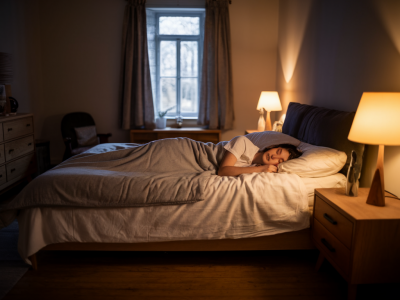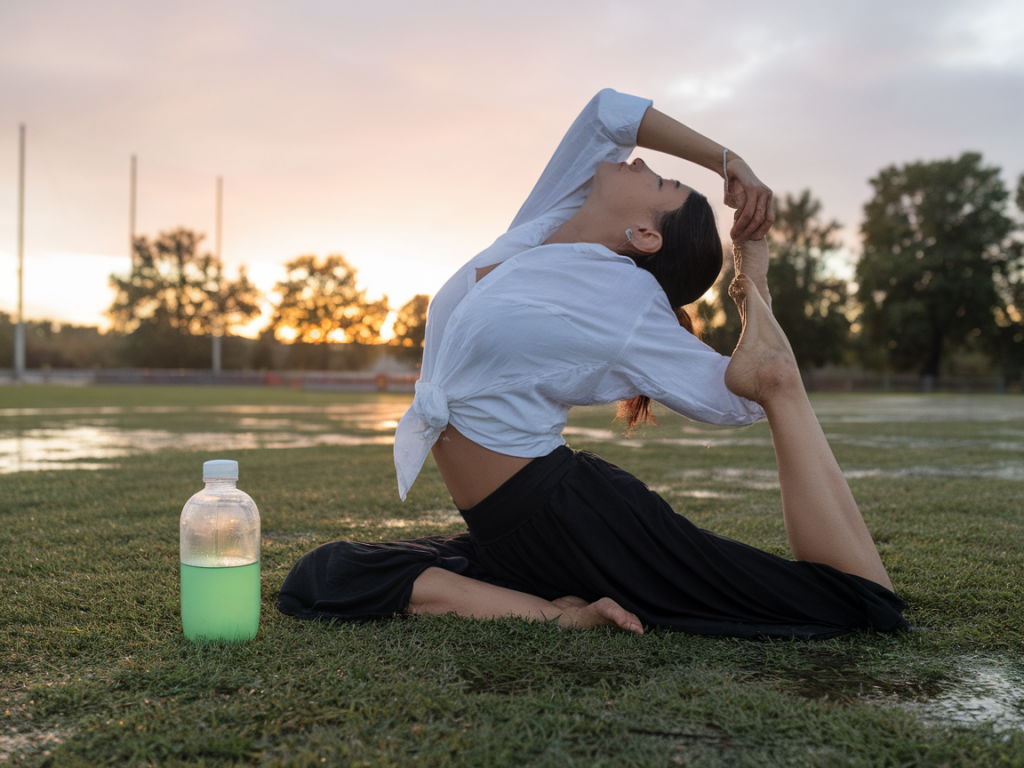
I love the moment when I switch off my computer and realise I’ve left work energy hanging in my shoulders, my head still ticking through tomorrow’s to-do list. Over the years I’ve put together a short, repeatable ritual that helps me clear my mind in about ten minutes—using three simple levers: light, movement and a calming drink. It’s practical, gentle and realistic for busy days. Below I share the how and why, plus variations you can adapt to your schedule and preferences.
Why these three elements?
Light, movement and a soothing drink each target different parts of the stress-response loop. Light helps signal to your brain whether it’s time to stay alert or begin winding down. Movement shifts tension from your body and interrupts repetitive thinking. A warm, calming drink gives you a pause—an embodied transition that slows your breathing and cues rest.
Together they form a quick ritual that’s both sensory and intentional: the lights tell your brain “we’re changing mode,” movement releases physical holding, and the drink anchors attention in the present. It’s not about perfection—it’s about sending a clear signal to your nervous system that the work day is over.
What you’ll need (simple and flexible)
10-minute ritual: step-by-step
Time it in a way that suits your life. I usually do this right after I shut my laptop and clear my desk. Here’s a straightforward ten-minute sequence I use most evenings:
Quick table: condensed ritual
| Time | Action | Why it helps |
|---|---|---|
| 0–1 min | Change light to warm/dim | Reduces alertness, cues winding down |
| 1–4 min | Gentle standing movement | Releases physical tension, interrupts rumination |
| 4–7 min | Seated breathing & progressive relaxation | Calms the nervous system |
| 7–10 min | Mindful sip of a warm, caffeine-free drink | Anchors attention and creates a ritual break |
Examples of calming drinks
Choose something you enjoy and that doesn’t contain caffeine. A few of my favourites:
Movement options if you’re short on space or privacy
Not everyone wants to do visible movement at home or in a shared flat. Here are discreet alternatives:
How to make this stick
Consistency matters more than length. Here are practical habits that helped me make this a regular part of my day:
Troubleshooting common objections
“I don’t have ten minutes.” Try five. Cut the standing movement to one minute and keep the breath + sip. Even a shorter ritual sends the same signal to your nervous system.
“I forget.” Put a small visual cue by your workspace: a sticky note, your mug, or an alarm labelled “10-minute reset.” The cue itself becomes part of the ritual.
“I feel restless and can’t sit.” Make movement the main focus—do a brisk two-minute walk, sun salutations, or a quick set of lunges. Movement will metabolise adrenaline and open space for calm.
Safety and small cautions
If you have medical conditions (e.g., cardiovascular issues) or are on medication, check with a healthcare professional before introducing new movement or herbal supplements. Avoid anything with unknown interactions—when in doubt, stick with warm water or a simple rooibos tea.
I built this ritual so it feels accessible—easy to do even after a long day. It’s not a cure-all, but it’s a reliable pause that helps me move from a working brain into being present for evening life. Try it for a week and notice what changes: maybe your sleep improves, or maybe you simply feel less mentally cluttered at dusk. Tweak the elements until it fits—and please share what works for you; I’m always collecting new ideas to share on Letstalkmore Co.