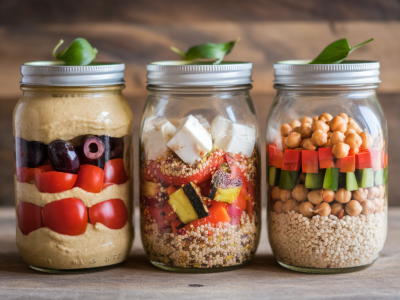
I started experimenting with tiny pantry swaps during a particularly foggy winter when my energy felt low and my mood kept dipping without an obvious reason. The idea was simple: could replacing just two frequently used pantry items each week—something I already had on hand—with slightly different, more nutrient-dense or stabilising options help my brain clarity and emotional steadiness? What felt doable on a busy schedule quickly became a low-pressure way to notice change, learn about food as fuel and reduce decision fatigue. I want to share how I approach this, what I noticed, and practical swaps you can try at home.
Why two items? Why the pantry?
Choosing two items keeps the change small and achievable. One swap can feel too subtle to notice. Three or more can feel like a diet overhaul and be overwhelming. Two items is a “micro-habit” that still nudges your nutrient intake and daily routines.
The pantry is a great place to start because it influences many of our meals and snacks: breakfast oats, mid-afternoon toast, pasta dinners, and quick sauces often come directly from what we keep on shelves. Changing pantry staples nudges pattern without requiring a whole new grocery list or complicated recipes.
Which kinds of swaps actually help brain fog and mood?
Research and practical experience point to a few reliable targets that influence cognition and mood: stable blood sugar, anti-inflammatory nutrients, gut-friendly fibre, omega-3 fats, and avoiding additives or highly refined carbohydrates that can contribute to energy crashes or inflammation.
So when I say “swap two pantry staples,” I usually mean picking options that:
Examples of simple swaps I tried and why they mattered
Below are swaps I’ve used that felt doable and showed practical benefits over a few weeks. I tended to stick with a pair for 7–10 days before moving to another pair, giving myself time to notice subtle changes in mood, sleep and focus.
| Typical pantry item | Swap to | Why |
|---|---|---|
| White rice | Brown rice or quinoa | More fibre and stable blood sugar; quinoa adds protein and micronutrients |
| Refined pasta | Wholewheat or legume pasta (e.g., chickpea pasta) | Slower digestion, higher protein and fibre to prevent energy dips |
| Sweetened breakfast cereal | Plain oats with a drizzle of honey and seeds | Less sugar crash; oats contain beta-glucans for steady energy |
| Instant noodles | Wholegrain couscous or brown rice noodles with miso and veg | Cut down processed additives, increase nutrient density |
| Store-bought fruit jam | Nut butter or mashed banana with cinnamon | More lasting satiety and less rapid sugar; nut butters add healthy fats |
| Vegetable oil (refined) | Extra virgin olive oil or rapeseed oil | Higher in anti-inflammatory monounsaturated fats and antioxidants |
| Canned soup (high salt) | Homemade lentil soup (canned lentils + stock) | More protein, fibre, and control over sodium |
| Snack crisps | Roasted chickpeas or oat crackers with hummus | Protein and fibre reduce blood sugar rollercoasters |
How I track what matters without becoming obsessive
I noticed changes not through strict calorie counting but by paying attention to three simple signals:
Every week I’d jot a one-line note in my planner after a few meals: “steady,” “foggy mid-afternoon,” or “felt uplifted.” This quick log helped me spot patterns—when swapping oats for a sugary cereal my focus tanked by 3pm, but when I added a spoon of flaxseed and some yoghurt I stayed steadier.
Practical tips to make swaps stick
Small changes fail when they're inconvenient. These pragmatic steps helped me sustain the experiment:
Quick recipes that use swapped staples
Here are two quick ideas to try right away:
When to be cautious and when to seek advice
These swaps are gentle and generally safe, but they don’t replace personalised care. If you suspect an underlying condition (thyroid issues, major depression, iron deficiency, or persistent cognitive changes), please consult a healthcare professional. Also check food labels if you have allergies or take medications that interact with certain foods or supplements.
Trying two pantry swaps each week felt like a low-pressure experiment rather than a “diet.” Over a few months, I noticed reduced brain fog, fewer mood dips tied to late-afternoon hunger, and a quieter sense of wellbeing that came from small, consistent choices. If you’d like, I can share a printable two-week swap plan you can use in your pantry, or help tailor swaps to vegetarian, gluten-free or family-friendly needs—just tell me which fits you best.