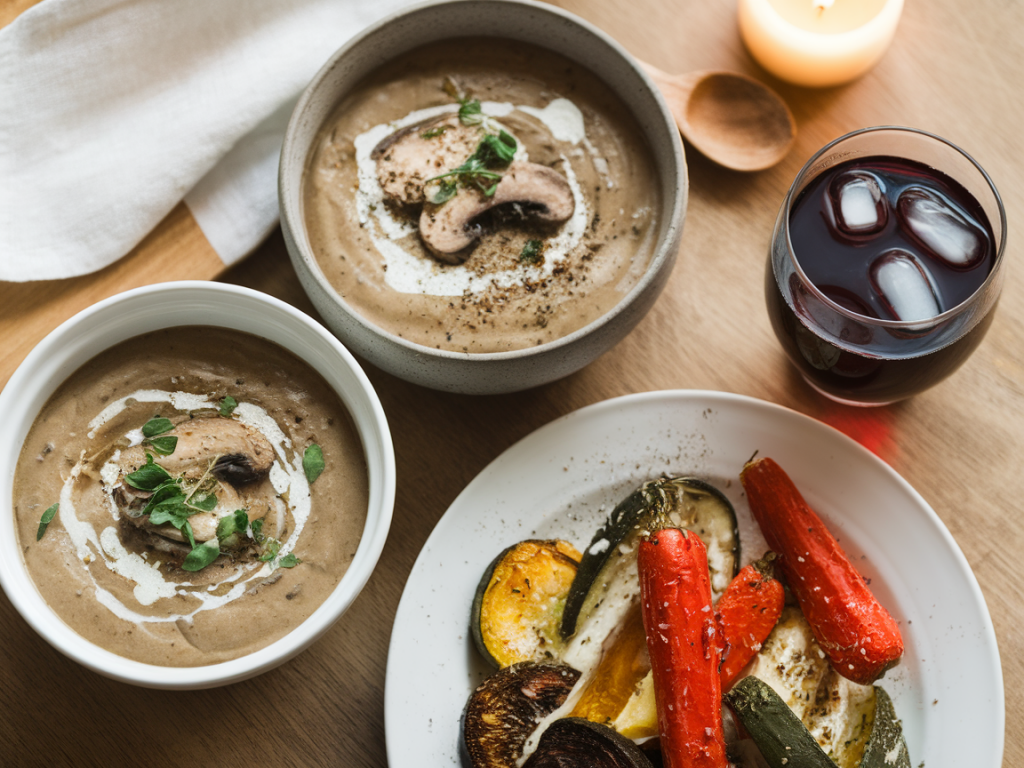
On days when everything feels urgent and my chest tightens, food can be one of the simplest, most reliable tools I reach for to soothe a reactive nervous system. I don't mean fancy supplements or strict diets—just accessible meals that combine calming nutrients, steady energy and comforting flavours. Below are three easy recipes I turn to when stress feels high, plus short explanations of why they help and a few simple swaps to make them easier in a rush.
Why certain foods feel calming
When we're stressed, the body floods with adrenaline and cortisol. Over time this can leave us jittery, wired and more likely to reach for quick sugar hits that worsen mood later. I look for meals that do three things: provide steady glucose, support neurotransmitters that promote calm (like serotonin and GABA), and include sensory comfort—warmth, texture and flavour that feels nourishing.
- Complex carbohydrates (oats, brown rice, sweet potato) help stabilise blood sugar and support serotonin production.
- Protein with tryptophan (turkey, eggs, dairy, seeds) gives building blocks for calming neurotransmitters.
- Magnesium-rich foods (leafy greens, nuts, seeds) help muscles relax and can lower stress reactivity.
- Fermented foods (yoghurt, kefir, sauerkraut) support gut microbes that influence mood via the gut–brain axis.
- Warm, hydrating elements (broths, herbal teas) offer sensory comfort and gentle autonomic downshift.
Quick reference: calming nutrients per meal
| Recipe | Key calming components | Time to make |
|---|---|---|
| Oat & banana porridge with tahini | Complex carbs, potassium, magnesium, tryptophan support | 10 minutes |
| Soothing miso broth bowl | Savoury warmth, fermented probiotic support, protein from tofu | 15 minutes |
| Warm turkey & sweet potato hash with greens | Protein, magnesium, complex carbs; grounding texture | 20 minutes |
Oat & banana porridge with tahini (comforting morning or snack)
This is my go-to when I wake anxious or need a gentle reset mid-afternoon. It’s creamy, slightly sweet and has a nutty richness that feels grounding.
Ingredients (serves 1):
- 40–50g rolled oats
- 300ml water or milk (dairy or plant)
- 1 ripe banana, mashed
- 1 tbsp tahini (or peanut/almond butter)
- 1 tsp chia seeds or a sprinkle of ground flax
- Pinch of cinnamon and a drizzle of honey or maple syrup (optional)
Method: Cook oats in liquid over medium heat, stirring, until creamy (about 5–7 minutes). Stir in mashed banana and tahini. Top with chia seeds and cinnamon. Eat slowly, with a warm cup of chamomile or warm lemon water if you like.
Why it helps: oats and banana provide slow-release carbs and potassium, tahini brings magnesium and healthy fats—this combination supports stable mood and calms the nervous system.
Soothing miso broth bowl (fast, savoury calm)
This is my favourite when evening stress keeps me awake. The warm, salty broth feels instantly soothing and the probiotics in miso are a gentle nod to gut–brain wellbeing.
Ingredients (serves 1):
- 1.5 cups vegetable or chicken broth
- 1 tbsp white or yellow miso paste
- 50–100g soft tofu, cubed (or shredded cooked chicken)
- A handful of baby spinach or bok choy
- 1 spring onion, sliced, and a small knob of grated ginger (optional)
- 1/2 cup cooked brown rice or soba noodles (optional, for extra grounding)
Method: Warm the broth gently—don’t boil once the miso is added to keep probiotics alive. Whisk the miso into a little warm broth then return to the pot. Add tofu, greens, ginger and cooked rice/noodles. Heat through and top with spring onion and a few sesame seeds.
Why it helps: warm saline broth calms the vagus nerve (the body’s “rest” pathway), while miso adds fermented food benefits and tofu supplies gentle protein. Add brown rice for sustained energy if your stress is chronic through the day.
Warm turkey & sweet potato hash with greens (hearty, stabilising dinner)
This meal grounds me after a frantic day. The combination of protein and sweet potato carbs helps the body shift out of fight-or-flight and into repair mode.
Ingredients (serves 1–2):
- 300g cooked turkey breast or turkey mince (leftovers work brilliantly)
- 1 medium sweet potato, diced small
- 1 small onion and 1 garlic clove, finely chopped
- 1 handful of kale or spinach
- 1 tbsp olive oil, salt, pepper, and smoked paprika or cumin
- A squeeze of lemon and a sprinkle of pumpkin seeds to finish
Method: Sauté onion and garlic in oil until soft. Add diced sweet potato and cook until tender (covering helps). Add turkey and spices, toss to warm through. Stir in greens until wilted. Finish with lemon and pumpkin seeds.
Why it helps: turkey is a source of tryptophan, sweet potato provides steady carbs and fibre, and pumpkin seeds supply magnesium and zinc—nutrients linked to lower anxiety and better sleep quality.
Practical swaps and time-saving tips
- If you’re rushed, frozen sweet potato cubes and pre-cooked grains (I often use Reach Foods or supermarket cooked packets) shave minutes off prep.
- For plant-based swaps: replace turkey with lentils or tempeh; use miso and tofu bowl for a fully vegetarian option.
- Make a “calm jar”: pre-mix oats with chia, cinnamon and a spoon of tahini in a jar for overnight oats—grab-and-eat on high-stress mornings.
- Use pre-washed greens and ready-made broths to avoid decision fatigue. Brands like Kettle & Fire or your local supermarket’s low-salt broth work well.
On Letstalkmore Co (https://www.letstalkmore.co.uk) I often remind readers that food is one part of a bigger toolkit. Pairing these meals with a 3–5 minute breathing practice, a short walk, or a small gratitude ritual can amplify their calming power. If a recipe doesn’t fit your appetite or time, adapt it—small changes that feel doable are the ones that stick.