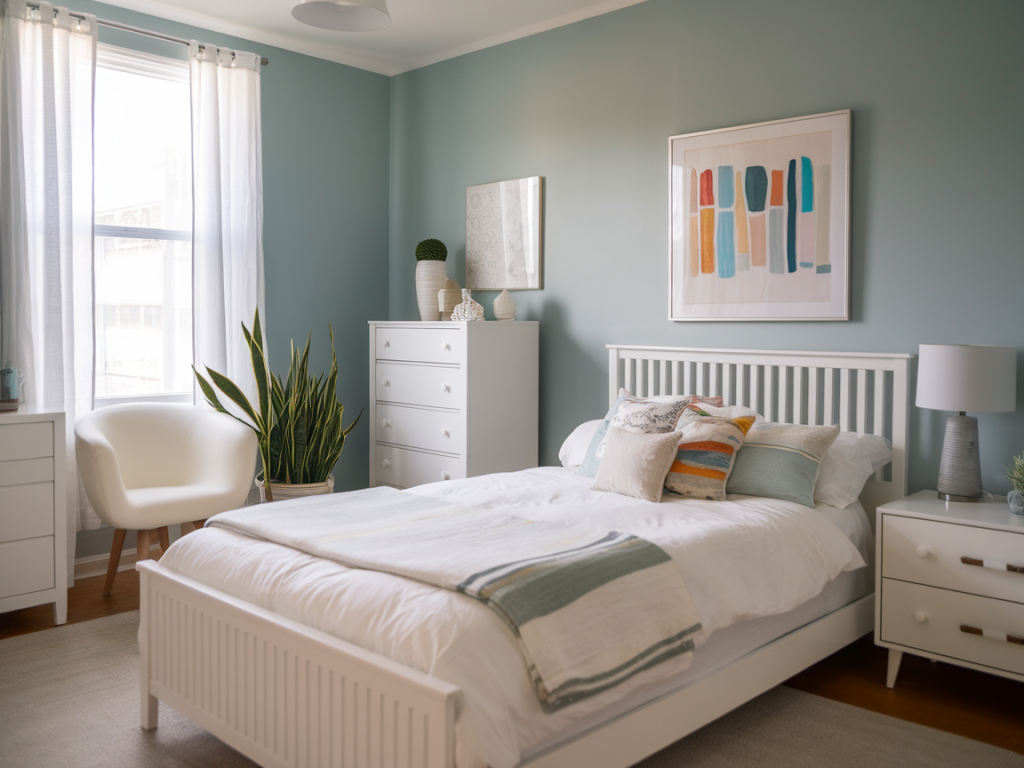
I’ve long believed that rest is less about escaping and more about creating a small, doable environment that allows your body and mind to unwind. A low-sensory bedroom does exactly that: it reduces the little inputs that keep the nervous system alert so that sleep and restoration feel easier — and you don’t need to overhaul your life or spend a fortune to get there. Below I share gentle, practical steps I use myself and recommend to clients to make a bedroom that calms rather than stimulates, with options for different budgets and living situations.
What I mean by “low-sensory” — and why it matters
When I say low-sensory, I’m talking about intentionally reducing sights, sounds, smells and tactile irritants that interrupt sleep. Our brains are wired to scan environments for changes — even subtle ones like a blinking light, a hum from a charger, or a busy pattern on the duvet. For people who are sensitive, anxious, or simply exhausted from daily stimulation, these small things can add up and make deep rest harder to achieve.
The good news: small changes produce disproportionate benefits. You don’t need a full redesign; you need to remove or soften a few common disruptors and add comforting anchors that tell your body it’s safe to let go.
Lighting: dim, diffuse and predictable
Light is one of the strongest cues for waking and sleeping. I keep three simple rules in mind:
- Reduce blue light in the hour before bed: swap phone or tablet screens for a physical book or a low-blue-light setting. Many phones now have Night Shift or similar modes.
- Use warm, dim lighting: replace harsh overhead bulbs with a bedside lamp that casts a warm glow. A bulb under 2700K creates a cozier, more sleep-friendly tone.
- Block stray light: use a sleep mask or inexpensive blackout curtains if streetlights or early sunrise interrupts you. A draft excluder or blackout lining sewn into existing curtains is a low-cost hack that can make a big difference.
Sound: reduce surprises and add predictable, soothing layers
For years I underestimated how much background noise affects my sleep. Here’s what helped me and my readers:
- Identify disruptive noises: is it traffic, a fridge hum, or neighbour footsteps? Small fixes — moving the bed, adding a rug, or placing soft pads under appliances — can cut vibration and thumps.
- Introduce a steady sound if needed: many people find a low-level fan or a white noise app helps mask unpredictable sounds. I like simple devices such as Marpac’s Dohm or an affordable fan; you can also use an app set to a consistent, unobtrusive sound.
- Earplugs for sensitive sleepers: foam earplugs (like Mack’s) are inexpensive and hugely effective when you need them. Try a few different types to find comfortable ones for all-night wear.
Smell: keep it neutral or soothing
Scent is powerful. Personally, I find strong fragrances stimulating — they can trigger memories or curiosity — so I aim for subtlety.
- Avoid heavy perfumes right before bed: if you enjoy essential oils, diffuse a very small amount of lavender or chamomile early in the evening, then turn the diffuser off before you fall asleep.
- Fresh air matters: if possible, crack a window for a short time before bed (or during the day) to reduce indoor odours. Plants can help, but avoid over-watering which can create musty smells.
- Clean linens: regular bedding changes reduce lingering odours. If you can’t wash every week, airing pillows and duvets in sunlight every few weeks can refresh them without a wash.
Touch and temperature: comfort without fuss
Comfortable bedding and the right temperature are central to low-sensory rest. My practical approach focuses on simplicity:
- Layer bedding: use layers you can adjust — a breathable sheet, a lightweight duvet, maybe a thin throw. That way you can regulate warmth without disruptive blankets sliding off.
- Sleep temperature: aim for a cool bedroom (around 16–19°C / 60–67°F if you can). If central heating makes this tricky, a cool shower before bed or breathable cotton sheets can help.
- Minimise scratchy textures: choose soft, natural fabrics for pillowcases and sheets where possible. They don’t need to be expensive; many budget-friendly cotton sets from brands like IKEA or Muji are comfortable and breathable.
Visual calm: declutter and reduce visual movement
Visual clutter keeps the brain activated. I don’t promote sterile minimalism, but I do encourage intentional choices:
- Clear horizontal surfaces: a tidy bedside table and dresser make a significant psychological difference. If you’re short on storage, baskets or boxes keep things out of sight but accessible.
- Choose subdued colours and patterns: neutral walls and bedding reduce visual stimulation. If you love colour, use it as an accent rather than covering every surface.
- Cover electronic lights: small LED lights from chargers or routers can be muted with a piece of tape or placed out of direct sight.
Creating bedtime cues: rituals that prime the nervous system
Low-sensory bedrooms benefit from simple, repeatable rituals that tell your body it’s time to rest. These don’t need to be long — consistency matters more than length.
- Wind-down routine: 20–30 minutes of predictable actions: dim lights, brush teeth, change into night clothes, do a short breathing exercise, then get into bed. The repetition builds a powerful cue.
- One to three-minute breathing practice: I often recommend box breathing (inhale 4, hold 4, exhale 4) or an effortless 4–6 count out-breath to settle the nervous system.
- Limit bed use: keep the bed for sleep and intimacy where possible. Working or scrolling in bed blurs associations and can make sleep harder to access.
Low-cost tweaks I love
| Item | Why it helps |
| Sleep mask | Blocks light without installing curtains — great for shift workers or bright mornings. |
| Earplugs | Affordable and often transformative for light sleepers. |
| Warm-toned bedside lamp | Creates a calm pre-sleep atmosphere instead of harsh overhead light. |
| Small fan or white noise app | Masks unpredictable sounds with a steady background hum. |
| Blackout liner or tape over LEDs | Simple fixes for stray lights at night. |
I encourage you to pick two or three of the above changes and try them consistently for a week. Notice what shifts — sometimes the impact is immediate, sometimes your nervous system needs a few nights to adjust. If sleep problems persist despite changes, it’s okay to seek support from a GP or sleep specialist; these environmental tweaks are powerful but not always a complete solution for clinical sleep disorders.
Creating a low-sensory bedroom is really about giving yourself permission to reduce demands on your attention. It’s a small, compassionate investment in your wellbeing that pays off in deeper rest, clearer mornings, and a gentler relationship with sleep. If you’d like, I can share a short printable checklist you can use to walk through your bedroom and make low-cost adjustments — just say the word.