I used to think naps were a luxury for toddlers or shift workers. Then I discovered the tiny, powerful reset a well-trained 20–30 minute nap can provide: clearer thinking, steadier mood and a softer way through a hectic afternoon. Training your body to nap reliably is a skill—one you can build with gentle consistency and a simple routine. Below I share the exact 30-minute sequence I use (and teach clients), why each step helps, and practical tweaks so it fits your schedule and space.
Why train your body to nap?
Napping isn’t about replacing night sleep. It’s about giving your nervous system a brief restorative window. A short nap can reduce sleepiness, improve focus and boost resilience without leaving you groggy—if timed and practised correctly. Training makes naps predictable: your body learns to recognise the cues and enter a light restorative state faster.
How I approach naps
My approach is gentle and pragmatic: remove friction, use consistent cues, and keep expectations modest. I aim for a 20–30 minute window because that’s long enough to feel refreshed and short enough to avoid deep slow-wave sleep that causes sleep inertia. I also pair naps with nerves-down rituals—breath work, sensory cues, and a comfortable position—to help the body settle quickly.
Before you start: checklist
- Choose your window: early afternoon works best (usually 1–3pm). Avoid late naps that might disrupt night sleep.
- Limit stimulants beforehand: reduce caffeine in the 4–6 hours before your nap if possible.
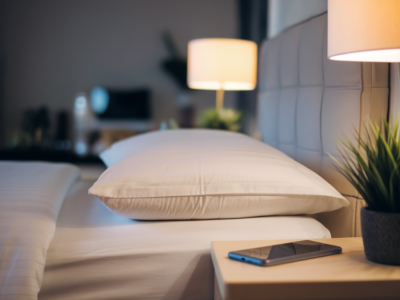
- Create a cosy, low-light spot: eye mask, blackout or dim lamp, comfortable pillow or couch.
- Set a gentle alarm: a soft tone or music that rises in volume (apps like Calm, Headspace or a simple phone alarm work well).
- Decide on an anchor cue: a scent (lavender), a playlist, or a short guided practice you use every time.
30-minute nap routine (step-by-step)
Time blocks are approximate. The goal is to build predictable cues so your body learns the pattern.
| Minute | Action | Why it helps |
|---|---|---|
| 0–3 | Settle your environment: dim lights, put on eye mask, set alarm for 30 minutes, cue scent or playlist. | Quickly reduces sensory input and signals the nervous system this is rest time. |
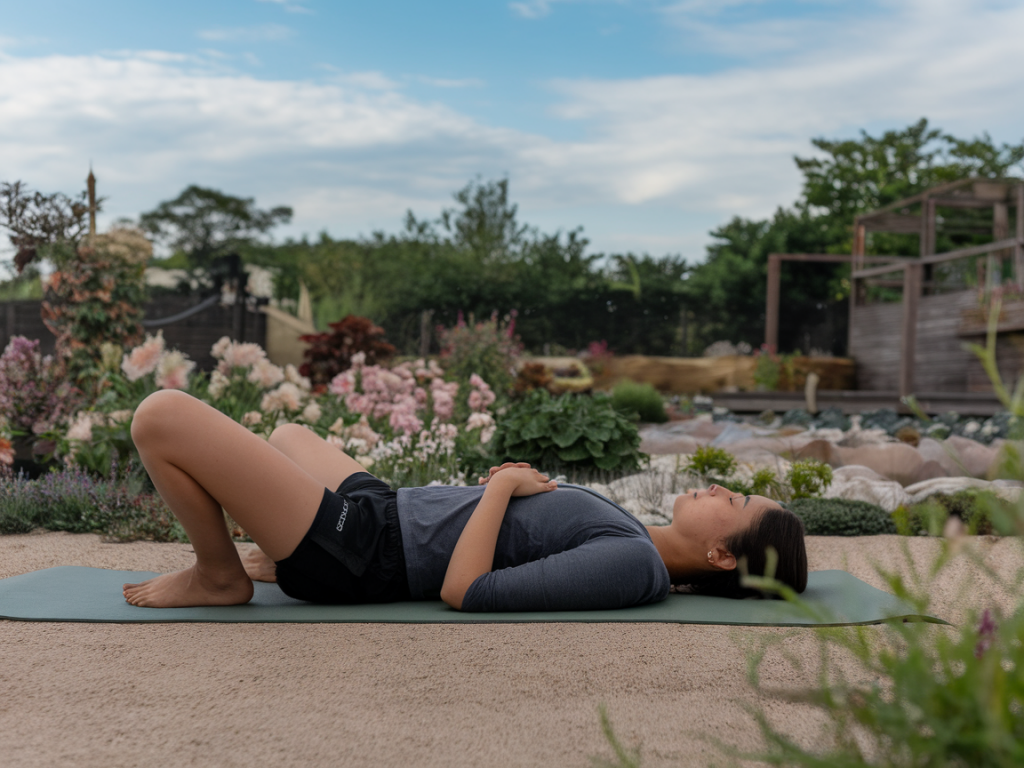
| 3–7 | Position and soften: comfortable recline or lying down, small pillow under knees if lying, loose clothing. | Comfort reduces minor discomfort signals that interrupt falling asleep. |
| 7–12 | Breath and relax: 5-minute box or 4-6-8 breathing. I like 4-6-8 (inhale 4, hold 6, exhale 8) for calming. | Activates parasympathetic nervous system and slows heart rate, helping transition into light sleep. |
| 12–22 | Progressive relaxation or guided nap: scan muscles from feet to head, letting each part soften; or play a 10-minute guided nap meditation. | Reduces bodily tension and distractive thoughts; guided audio helps if your mind races. |
| 22–30 | Drift and rest: allow yourself to slip into light sleep or quiet rest. If alarm sounds earlier, use 2 minutes to breathe gently before getting up. | This is the restorative window; waking gently reduces sleep inertia. |
Practical cues and tools I use
- Eye mask: cheap and transformational. I use a soft silk mask to block light.
- Weighted blanket (light): a small, light-weighted cover can feel grounding for many people—avoid too heavy for short naps.
- Scent: a dab of lavender on a tissue becomes a conditioned cue for relaxation.
- Guided audio: podcasts or apps with short nap meditations—Calm’s “Power Nap” or Headspace’s “Quick Nap” are useful starting points.
- Consistent alarm tone: same gentle sound each nap helps your body know when the rest window is up.
Troubleshooting common problems
If you can’t fall asleep:
- Drop the pressure—rest is still helpful. Try soft eyes-closed rest with breath work for the same window.
- Shorten your nap attempt next time. Sometimes 10–15 minutes of deep relaxation is easier to build initially.
- Move the timing earlier after meals. A slight post-lunch lull is natural; aim for the midpoint so you’re neither too full nor too wired.
If you wake groggy:
- Check length: grogginess often means you’ve entered deep sleep. Reduce future naps to 20 minutes or nudge your alarm to 25.
- Use light exposure immediately: open curtains, step outside for a minute. Natural light helps reset alertness quickly.
- Hydrate and do gentle movement—stretch or walk for 5 minutes.
How often and when to practise
Consistency is the key to training. I recommend trying the routine 3–5 times per week for 2–3 weeks. Your body will start to recognise the pattern and become faster at shifting into that light rest state. Use naps strategically: on busy days, during creative blocks, or when energy dips—avoid using naps as the primary substitute for poor night sleep.
When to seek adjustements
If you find naps disturb your night sleep regularly, reduce frequency or shift timing earlier. If daytime sleepiness is persistent despite training, consider consulting a healthcare professional to rule out sleep disorders like sleep apnea or narcolepsy—napping skill-building supports wellbeing but doesn’t replace medical assessment.
Small rituals that reinforce success
- Repeat the same scent, playlist or breathing pattern each time.
- Journal one line afterwards: “I rested for 30 minutes and feel…” which helps track benefits and builds positive reinforcement.
- Pair naps with a light ritual on waking: a glass of water, 2 minutes of sunlight, or a short stretching sequence to signal re-entry into activity.
Training your body to nap is less about forcing sleep and more about teaching your nervous system a reliable set of rest cues. Start small, be consistent, and treat napping as a compassionate, realistic tool in your self-care kit. Over time, those 20–30 minutes can become a steady island of calm in a busy day.