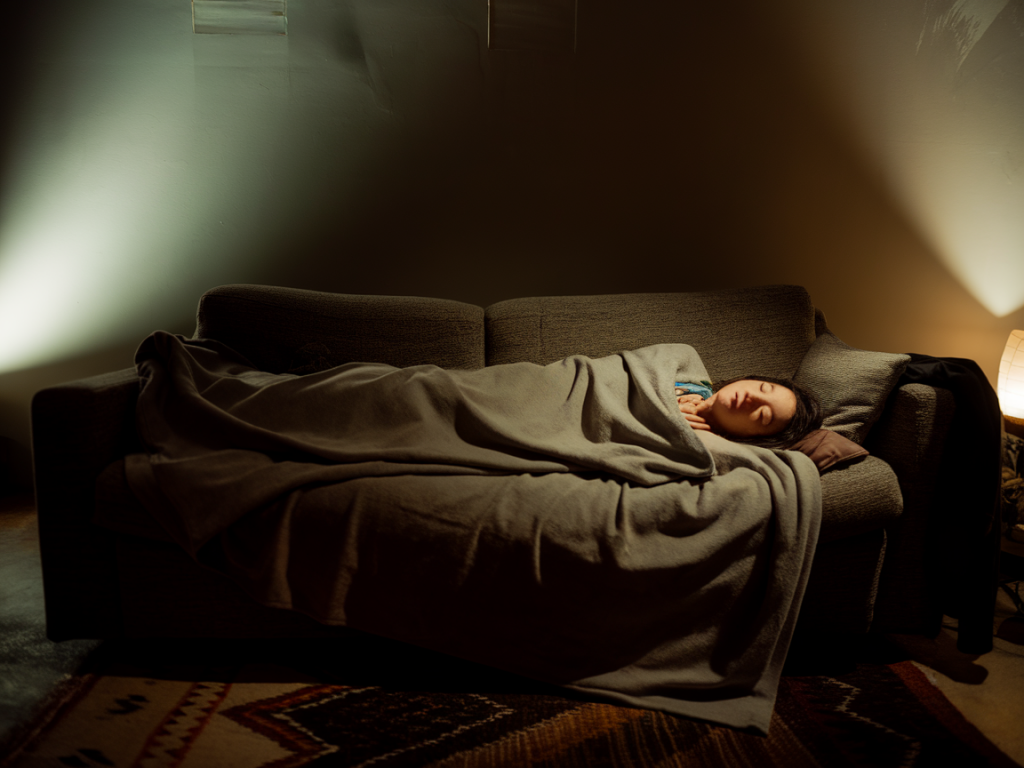
If your sleep has recently gone off-track — late nights scrolling, irregular meals, and mornings that feel foggy — I want to share a simple, practical approach I use with myself and recommend to clients: a focused three-day reset using three pillars that strongly influence circadian rhythm: light exposure, mealtimes, and a digital curfew. This isn’t magic, but it’s effective because it aligns everyday behaviours with the body’s internal clock. You can do this even if you live a busy life; the steps are small, clear, and cumulative.
Why three days?
A full circadian shift can take longer, but you can make meaningful progress in 72 hours. In my experience, three focused days are long enough to start a new rhythm and short enough to be sustainable. You’ll interrupt unhelpful patterns, get your body the right timing cues, and build momentum so that healthy habits keep sticking afterward.
Core concept: the three timing cues
Our circadian system listens to cues (also called zeitgebers) — the strongest are light, food, and social/activity timing. When these cues are consistent, our sleep-wake cycle becomes more stable. For this three-day reset I focus on:
- Morning light to anchor wake time and suppress melatonin.
- Consistent mealtimes to signal daytime metabolic activity.
- Digital curfew to lower evening stimulation and allow melatonin to rise naturally.
Before you start: a short checklist
- Choose a realistic target wake-up time you can sustain after day three.
- Plan meal windows (breakfast within 1 hour of waking, lunch ~4–5 hours later, dinner at least 2–3 hours before bed).
- Decide a digital curfew (I recommend 60–90 minutes before planned bedtime).
- Prepare simple breakfast and evening wind-down items (bright-light lamp or open window, comfortable sleep mask, herbal tea).
- Be gentle with yourself — small lapses are normal. Resetting is about consistency rather than perfection.
Day-by-day plan
Below I outline the practical steps I follow. Tweak times to fit your life — the principles matter more than the exact minute.
Day 1: Anchor your morning
- Wake at your target time. Even if you had little sleep, get up. Staying in bed sends mixed signals to your clock. I set an alarm and get out of the bedroom within 10 minutes.
- Seek bright light for at least 20–30 minutes. Open curtains, step outside for a brisk 10–20 minute walk, or use a daylight lamp (10,000 lux lamps from brands like Lumie or Carex work well). Light in the morning suppresses melatonin and advances your clock earlier.
- Eat breakfast within an hour. Even a small protein-and-fiber option works: Greek yogurt with fruit, a boiled egg and toast, or oats. Mealtime helps anchor your metabolic rhythm.
- Schedule your day. Avoid long naps — if you must nap, keep it under 20 minutes before 2pm.
- Set your digital curfew for the evening. Decide an exact time (for example, 9:30pm if bedtime is 10:30pm).
Day 2: Reinforce timing and reduce evening stimulation
- Repeat morning light and breakfast. Consistency here strengthens the new wake time.
- Keep meals at regular times. Aim for lunch 4–5 hours after breakfast and dinner at least 2–3 hours before bed. If evenings are socially busy, try shifting calories earlier (bigger lunch, lighter dinner).
- Prepare for the digital curfew early. About 90 minutes before bed, start lowering screen brightness and switching devices to night modes. At the curfew, put screens away or enable Do Not Disturb. Replace screen time with low-stimulation activities: reading a physical book, gentle stretching, a warm shower, or journaling.
- Create a consistent wind-down routine. I like a cup of caffeine-free chamomile or rooibos, 10 minutes of breathing or body scan practice, and dim lights. The goal is to make the brain expect sleep.
Day 3: Consolidate and make it repeatable
- Morning light again. By now your sleep pressure (homeostatic drive) will be more aligned with your desired bedtime.
- Stick to meal windows. If you’re tempted to snack late, replace that ritual with a glass of water or a calming herbal tea and a book.
- Keep the digital curfew strict. Use simple tech helpers if you need them: app timers, Apple’s Screen Time, or Android’s Digital Wellbeing can block social apps after the curfew. If you want a physical separation, charge your phone in another room.
- Allow for variability but hold the anchors. If you must attend an evening event, try to return to the routine the next day rather than abandoning it altogether.
Simple schedule table to adapt
| Wake | 07:00 — Bright light for 20–30 min |
| Breakfast | 07:30 — Protein + fiber |
| Lunch | 12:30 |
| Dinner | 18:30 — Finish at least 2–3h before bed |
| Digital curfew | 21:30 — Screens off, wind-down begins |
| Bedtime | 22:30 — Calm, dark, cool room |
Practical tips that help the plan succeed
- Light first, caffeine later. Avoid strong coffee in the late afternoon/evening; keep caffeine to before mid-afternoon if possible.
- Temperature matters. A cool bedroom (around 16–19°C / 60–67°F) helps sleep onset.
- Limit alcohol before bed. It may help you fall asleep but fragments sleep later in the night.
- Use a sleep-friendly nightlight. If you need a light at night, choose a dim red or amber light rather than blue-white LEDs.
- Be consistent on weekends. Try to keep wake time within 60 minutes of your weekday time to reduce drift.
What to expect
During the first night you might still feel wired or tired — that’s normal. By day two you’ll often notice clearer mornings and slightly earlier evening sleepiness. By day three the new rhythm usually feels noticeably better: easier to fall asleep, more refreshing wake-ups, and reduced late-night urges to scroll.
When to seek extra support
If you’ve tried structured resets like this several times without improvement, or if you experience very loud snoring, gasping at night, persistent daytime sleepiness, or mood changes that worry you, it’s wise to consult a GP or sleep specialist. These patterns can sometimes indicate sleep disorders such as sleep apnea, delayed sleep phase disorder, or mood conditions that need additional care.
Resetting sleep is less about perfect control and more about giving your internal clock clear, consistent signals. Light, mealtimes and a digital curfew are simple tools you can apply immediately. Try this three-day reset as a prompt to set kinder, clearer boundaries around your day — and let sleep do what it’s meant to do: restore you.