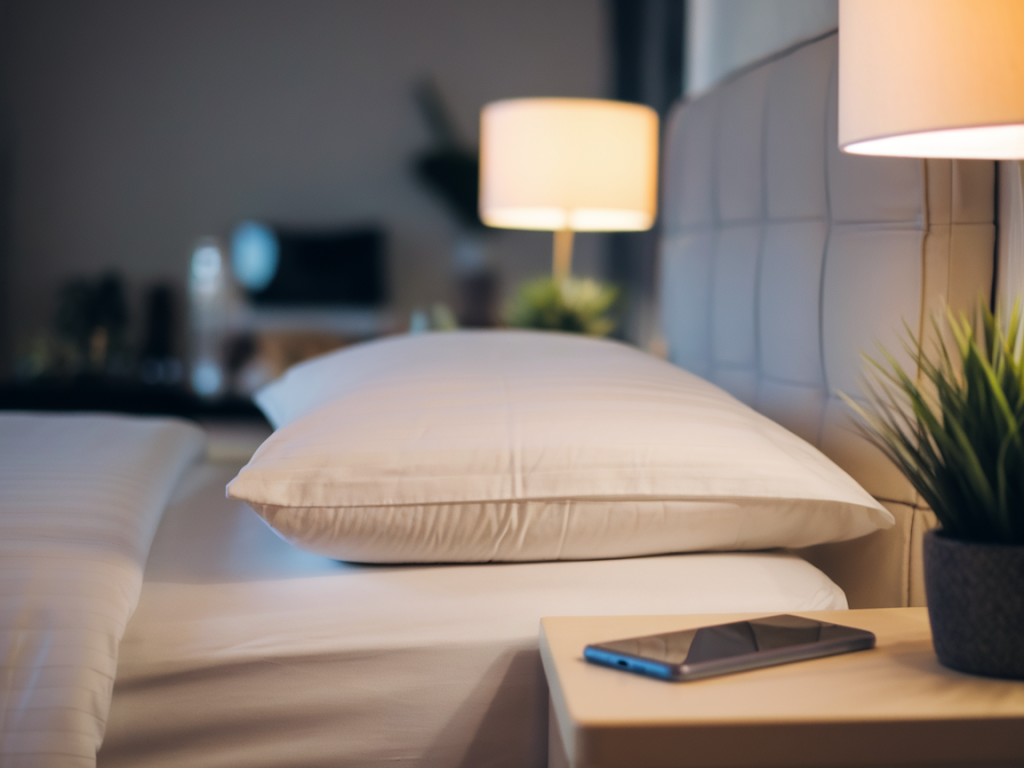
I used to be the person who “just checked” my phone for five minutes before bed and then found myself scrolling for an hour, heart racing, mind full of other people’s news. The result was predictable: late sleep, shallow rest, and mornings that felt heavy before they'd even begun. Over time I learned that the problem wasn’t screens per se but the tiny habits that slide into place when we don’t plan our evenings. I developed a simple 10-minute habit that helped me reclaim the transition to sleep — gentle, doable, and built around curiosity rather than willpower. Here’s how it looks (and why it works).
Why quitting bedtime scrolling matters
Before we jump into the habit, a quick reminder of why this matters. Even low-effort scrolling can:
None of this means you must give up screens forever. It simply means the minutes before bed are precious for signalling to your body and mind that it’s time to rest.
The 10-minute habit: a gentle wind-down routine
This is a portable 10-minute routine you can do in bed or beside it. I designed it to replace the “one more scroll” loop with a short sequence that shifts your nervous system toward relaxation. You don’t need special equipment — just a phone on do-not-disturb and a tiny bit of curiosity.
Practical tweaks that make it stick
Here are small adjustments that helped me actually keep the habit:
How to handle resistance and tricky nights
Resistance often shows up as: “I deserve downtime” or “I’ll just check for five minutes.” I reframed that by asking: what feels most restful right now? The answer isn’t always quiet; sometimes watching a short, calming show or reading a paperback is genuinely restful. The key is intention. Ask yourself:
If the answer points away from scrolling, choose the 10-minute routine instead.
Evidence meets compassion
Scientific research supports many elements of this habit: slower breathing reduces physiological arousal, gratitude practices lift mood, and limiting evening screen use can improve sleep quality. But science doesn’t capture the whole story — habit change works best when it’s compassionate and practical. I prefer to offer options you can actually return to, not a list of perfect rules.
Real-life examples
One reader told me she replaced scrolling with a 10-minute audio of comforting poetry. Another swapped doomscrolling for a nightly sketchbook moment; she said the creative focus wound her down faster than any app. For a short while I kept lavender sachets beside the bed — not because lavender is magical, but because the scent paired with the routine created a calming cue.
When to ask for more help
This habit helps most people with mild-to-moderate sleep disruptions. If your sleep problems feel severe, persistent, or are accompanied by anxiety or depression, please seek professional support. A GP, sleep clinic, or therapist can offer tailored care. My suggestions are gentle complements, not replacements, for clinical guidance.
If you try this 10-minute routine, I’d love to hear what shifts for you. Small rituals add up: tonight’s five or ten quiet minutes can ripple into clearer mornings, kinder moods, and a steadier sense of rest. Try one thing differently and notice — that’s where change begins.