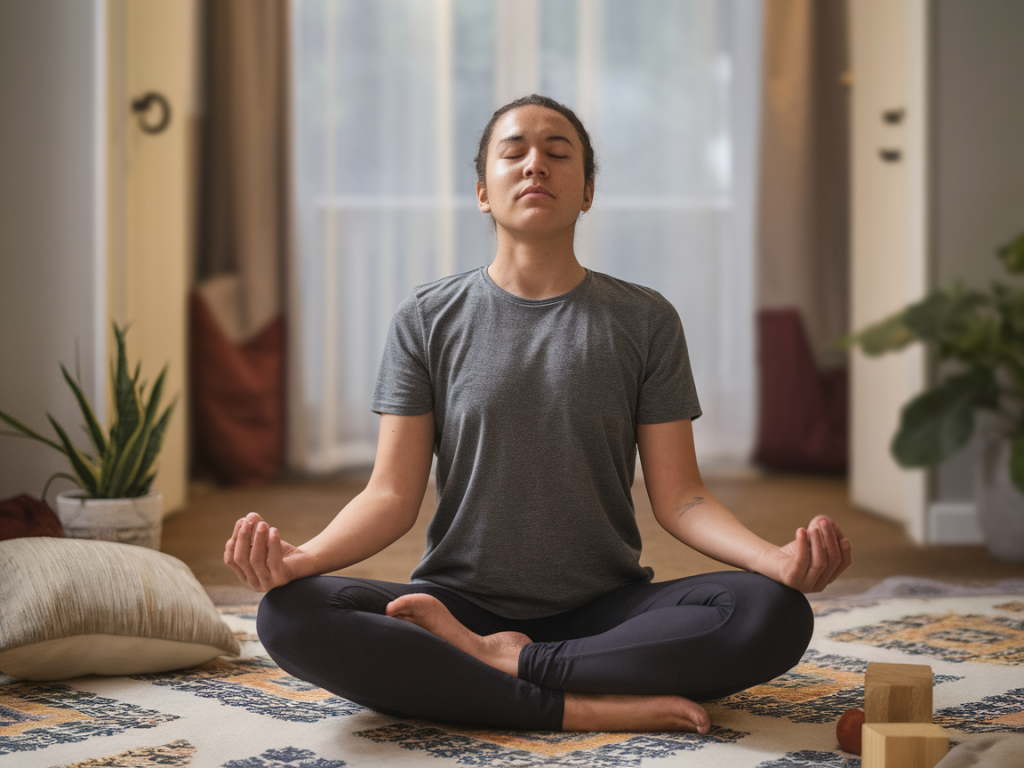
I remember the first time panic hit me so fast my hands went numb and my thoughts felt like they were sprinting down a dark tunnel. I felt helpless, like my body had betrayed me. Since then, I’ve learned breathing techniques that calm the nervous system within minutes. They don’t solve everything, but they give me a reliable tool to interrupt panic and create space to think. Below I share three simple, evidence-informed breathing practices—Box Breathing, 4-4-8, and Resonant (Coherent) Breathing—that I use and teach. Each one includes step-by-step instructions, when to use it, and small adjustments you can make so it fits your life.
Why breathing helps in panic
When panic arises, our sympathetic nervous system (fight/flight) becomes highly active: heartbeat and breathing speed up, thoughts race, and muscles tighten. Slowing and regulating the breath signals the body that it’s safe. The vagus nerve responds to slower, deeper breathing by activating the parasympathetic system (rest/digest), which reduces heart rate and calms the mind.
Breathing techniques are simple because they’re portable and immediate—you can do them anywhere, anytime. They’re not a replacement for therapy or medication when those are needed, but they’re a practical first step that often stops a panic episode from spiralling.
Box breathing (also called square breathing)
Box breathing is a neat, rhythmic pattern that’s easy to remember. Navy SEALs use a version of it for focus, and I’ve found it useful for both panic and workplace overwhelm.
How to do it:
Why it works: The equal counts create predictability and rhythm which calms the nervous system. Holding the breath briefly after inhalation and exhalation adds gentle interoceptive focus (awareness of bodily sensations), which interrupts the panic loop.
Tips and variations:
4-4-8 breathing
4-4-8 is a gentle variation that places extra emphasis on a longer exhale to increase calming. Some people know 4-7-8, popularised by Dr Andrew Weil; 4-4-8 keeps the inhale and hold short and uses an extended exhale to encourage relaxation without requiring long holds, which can be uncomfortable in acute panic.
How to do it:
Why it works: The prolonged exhale activates the parasympathetic nervous system. Extending the out-breath is one of the most reliable ways to reduce heart rate and ease anxiety.
Practical notes:
Resonant breathing (also called coherent or paced breathing)
Resonant breathing is about finding a rhythm that naturally resonates with your autonomic system—often around 5–6 breaths per minute (a 5–6 second inhale/exhale cycle). It’s called “resonant” because it tends to create a coherent heart rate variability pattern that’s calming and stabilising.
How to do it:
Why it works: Practising this rhythm increases heart rate variability (HRV), which is associated with better stress resilience. Over time, regular practice can lower baseline anxiety and improve emotional regulation.
Tools and supports:
When and how to use each technique
Short panic: I often grab Box Breathing or 4-4-8 because they’re quick, structured and provide immediate focus.
Sustained anxiety or stress over the day: Resonant breathing for 5–10 minutes helps reset my baseline. I might do this before a stressful meeting or after a long commute.
Transition into sleep: 4-4-8 or resonant breathing with a softer, nasal exhale is my go-to. The longer out-breath gently lowers heart rate and signals the brain that it’s time to rest.
Practical suggestions and troubleshooting
If you feel lightheaded: slow down and reduce the counts. Use shallower breathing and avoid forceful inhalations.
If breath-holding triggers panic: skip holds. Focus on slow inhales and longer exhales without pauses.
If your mind races during breathing: use a short, grounding phrase you can repeat silently (e.g., “in—calm / out—release”) or focus on a physical anchor like feeling your feet on the floor.
Make it habitual:
Safety, limits and when to seek more help
Breathing techniques are safe for most people, but they’re not a cure-all. If you have a history of trauma, heart conditions, severe asthma, or panic that’s frequent and debilitating, check in with a healthcare professional before trying extended breath holds or vigorous breathing practices. If breathing exercises consistently make you feel worse, stop and consult a clinician.
If panic is frequent, impacting daily functioning, or accompanied by thoughts of harming yourself, please reach out to a mental health professional or emergency services—breathwork is a calming tool, not a substitute for therapy or medication when those are indicated.
Quick scripts you can use in the moment
Box breathing script: “Inhale 4—hold 4—exhale 4—hold 4. Repeat.”
4-4-8 script: “Breathe in 4—hold 4—let it out for 8. Repeat until calmer.”
Resonant breathing script: “In and out for 5 seconds each. Keep it smooth and steady for 2–5 minutes.”
Keep these short scripts either memorised or written in a note on your phone so you can access them during a flare-up.
Breathing practices are simple gestures of self-care—small, accessible acts that communicate safety to your nervous system. I’ve used them on trains, in kitchens, and in hospital waiting rooms. They don’t have to be perfect to be helpful. If one method doesn’t suit you, try another or customise the counts. Over time, these techniques build a quiet confidence: when panic comes, there are things I can do to help myself breathe back to balance.