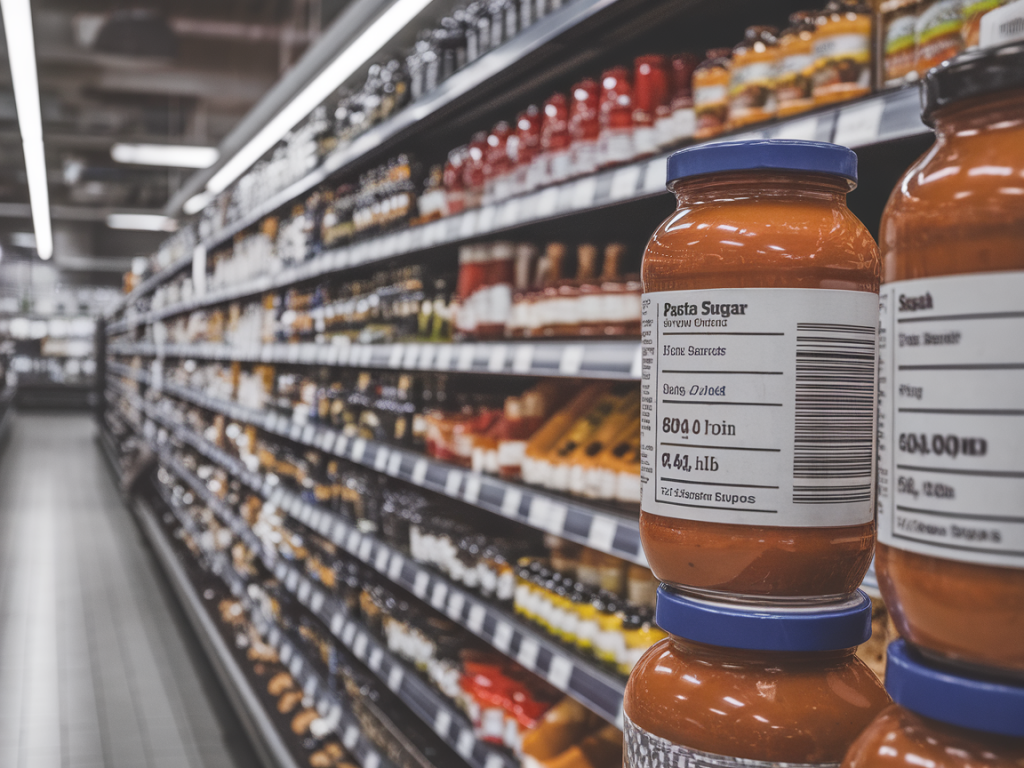
I used to be surprised by how much sugar hid in foods I thought were "healthy" or at least harmless. A quick scan of the supermarket shelves taught me that sugar wears many disguises: syrup, concentrate, juice, dextrose, maltodextrin… the list goes on. Over time I learned a few practical label-reading habits that make grocery shopping less baffling and more empowering. Below I share the simple strategies I use to spot hidden sugar in supermarket staples and swap in healthier label alternatives that still fit a busy life.
Why I look beyond “low-fat” or “natural” claims
Marketing on packaging can be persuasive. I remember choosing a low-fat yoghurt only to discover it had twice the sugar of the full-fat version. Often brands add sugar to replace flavour lost when fat is removed, or to make a product more palatable. Words like “natural”, “organic” or “no added sugar” can also be misleading unless you check the fine print. I now treat those claims as conversation starters, not proof.
My quick label checklist
When I’m in a hurry I use a short checklist that takes less than a minute per product:
Common names for added sugar to watch for
Sugar isn’t always listed as “sugar”. I keep a mental list of the usual aliases so I can spot them quickly:
Some of these are less processed than others (for example, raw honey versus HFCS), but nutritionally they still add free sugars and can affect blood sugar and cravings. If you’re trying to reduce added sugar, treat all those names as evidence of an added sweetener.
Examples of supermarket staples and what I look for
Below are common categories and the practical swaps I often suggest when I write recipes or create shopping lists.
Breakfast cereals
I used to buy colourful children's cereals as occasional treats. What surprised me was seeing “healthy” muesli mixes with 20–30g sugar per 100g. Now I:
Yoghurts
Yoghurt is one of those foods where the plain option is usually the best base. I do the maths: a pot of fruit yoghurt may contain one to three teaspoons of added sugar per serving. Instead I:
Sauces, dressings and condiments
Sauces often sneak in sugar to round out flavour. Ketchup, BBQ sauce, pre-made pasta sauces and salad dressings are common culprits. I now:
Snack bars, granola bars and protein powders
These are marketed as healthy energy bites, but many are sweetened heavily. I:
Which labels I trust more—and which I treat with caution
Brands I’ve come to trust usually show transparent ingredient lists and reasonable sugar levels. That said, I judge each product on its own. Some supermarket own-brands now offer lower-sugar versions of staples (sauces, cereals, yoghurts) that compete well with big-name brands. I also look for these signposts of a better choice:
Simple swaps I recommend in my kitchen
Here are the swaps I most commonly suggest to readers and friends, and that I use myself:
Quick comparison table I carry in my head
| Product | Typical high-sugar option | Healthier label alternative |
|---|---|---|
| Yoghurt | Fruit-flavoured pot (12–20g sugar/serving) | Plain Greek/natural yoghurt + fresh fruit (2–6g sugar/serving) |
| Cereal | Sweetened flakes/muesli (15–30g/100g) | Porridge oats or unsweetened muesli (0–5g/100g) |
| Ketchup/Sauce | Standard ketchup or BBQ sauce (6–10g/serving) | No added sugar tomato passata or homemade sauce (0–2g/serving) |
| Snack bar | Syrup-sweetened bar (10–20g/serving) | Nuts/fruit snack or low-sugar bar (5–8g/serving) |
How I make this sustainable, not restrictive
Reducing sugar doesn’t mean never enjoying sweet foods. For me the aim is balance and reducing the background sugar that fuels cravings. I keep a few small treats I truly enjoy—dark chocolate or a favorite biscuit—and make the rest of my day more nourishing and steady. When I do want something sweeter, I reach for a deliberate treat rather than a packaged product that’s secretly sweetened.
One small experiment to try
Next time you shop, pick three staples you usually buy and compare them at the shelf: read the ingredients, note per-portion sugar, and see if you can find an alternative with fewer added sugars. It takes a few extra minutes the first time, but it becomes second nature. I often share this mini challenge with readers because it shows quickly where sugar is hiding and opens up better options that still fit real life.

