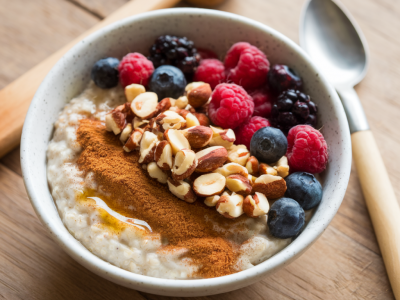
I used to wake in the night with my heart racing and a foggy head, convinced it was just stress. Over time I realised that what I ate (or didn't eat) before bed was playing a quiet but powerful role. A simple evening snack—when chosen with blood sugar stability and sleep in mind—can make the difference between a night of restless tossing and a morning that feels gentle rather than jittery.
For years I refined a small, portable approach I call a “three-item evening snack kit.” It’s built around the idea that a tiny, balanced plate before bed can steady blood sugar, reduce night-time awakenings, and support the natural processes that help us fall into restorative sleep. In this post I’ll share why this works, how to assemble your kit, examples I use (and love), and practical tips for timing and portion sizes that actually fit into busy lives.
Why a three-item snack works for blood sugar and sleep
Your body needs a steady stream of energy. If blood sugar drops too low overnight, your body releases hormones like adrenaline and cortisol to raise it—these hormones make sleep shallow or wake you up. Conversely, a snack that’s mostly sugary or starchy can cause a spike and then a crash, which also disrupts sleep.
A balanced mini-snack—combining protein, healthy fats, and a small portion of low-glycaemic carbohydrates—gives your body slow-release fuel. Protein and fats slow digestion, preventing big blood sugar swings, while the carbohydrate provides a bit of immediate glucose for your brain. This trio supports stable energy levels and encourages the body to remain in the relaxed, restorative state needed for sleep.
What goes into my three-item evening snack kit
Keep it simple. The aim is not a big meal but a small, satisfying combo that’s easy to prepare and easy to customise. Here’s the structure:
These amounts are general. If you have specific medical needs (diabetes, metabolic conditions), adapt with professional guidance. The key is balance and portion control—too large a snack will be counterproductive.
Example kits I often reach for
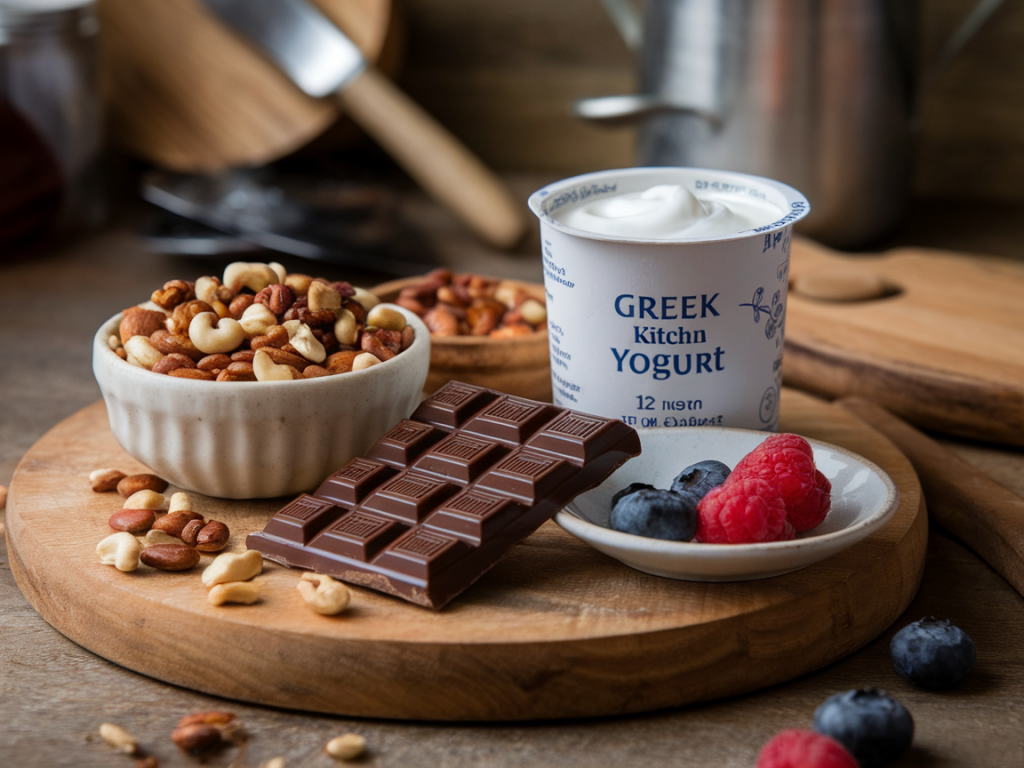
I like to keep a few go-to combos so I don’t overthink evenings. Here are practical packs I use frequently:
These combos are flexible—I’ll swap almonds for walnuts, or Greek yogurt for a dairy-free coconut kefir if I’m avoiding dairy. Brands I sometimes recommend for reliability are Alpro unsweetened yogurts for dairy-free options and Meridian or Pip & Nut for nut butters because they’re simple and minimally processed.
Timing: when to have your snack
The ideal window is typically 30–90 minutes before your planned bedtime. This gives your system time to absorb nutrients without being actively digesting a large meal while you try to sleep. If you have trouble falling asleep, aim for the earlier part of that window; if you tend to wake at 3–4am hungry, lean to the later part.
Consistency is also helpful. If you regularly have a small snack around the same time each night, your body learns the routine and can better regulate overnight hormones.
Portions and blood sugar considerations
Portion control matters. I often use my hand to estimate amounts: a palm-sized portion of protein, a thumb-sized scoop of nut butter, and a cupped handful of carbs. For most people this keeps the total snack at about 150–250 calories—enough to be satisfying without disturbing digestion.
If you monitor blood glucose, try a small experiment: test before your snack, 45–60 minutes after, and then when you wake. You’ll gather useful personal data about which combos keep you steady. Many readers with reactive blood sugar find adding 10–15 grams of protein to a carb-heavy snack dramatically reduces spikes.
What to avoid
Also be cautious with alcohol: even a small nightcap can disrupt sleep architecture and blood sugar control, so treat it separately from your evening snack strategy.
Practical tips for busy evenings
Quick reference table of combinations
| Protein | Fat | Carb |
| 100 g Greek yogurt | 1 tsp almond butter | 4–6 raspberries |
| 1 boiled egg | 10 almonds | 1 wholegrain cracker |
| 1 small tin tuna | 1 tsp olive oil | half an apple |
| 30 g cottage cheese | 1 tbsp flaxseed | half banana |
Using a three-item evening snack kit is a small change that supports blood sugar stability and calmer sleep without adding complexity. It’s the kind of gentle, practical habit I love because it’s adaptable, evidence-informed, and kind to real life. If you try it, notice how your sleep and morning energy respond—and adjust the portions and timing to suit you. If you have specific health conditions, check in with a healthcare provider for personalised advice.