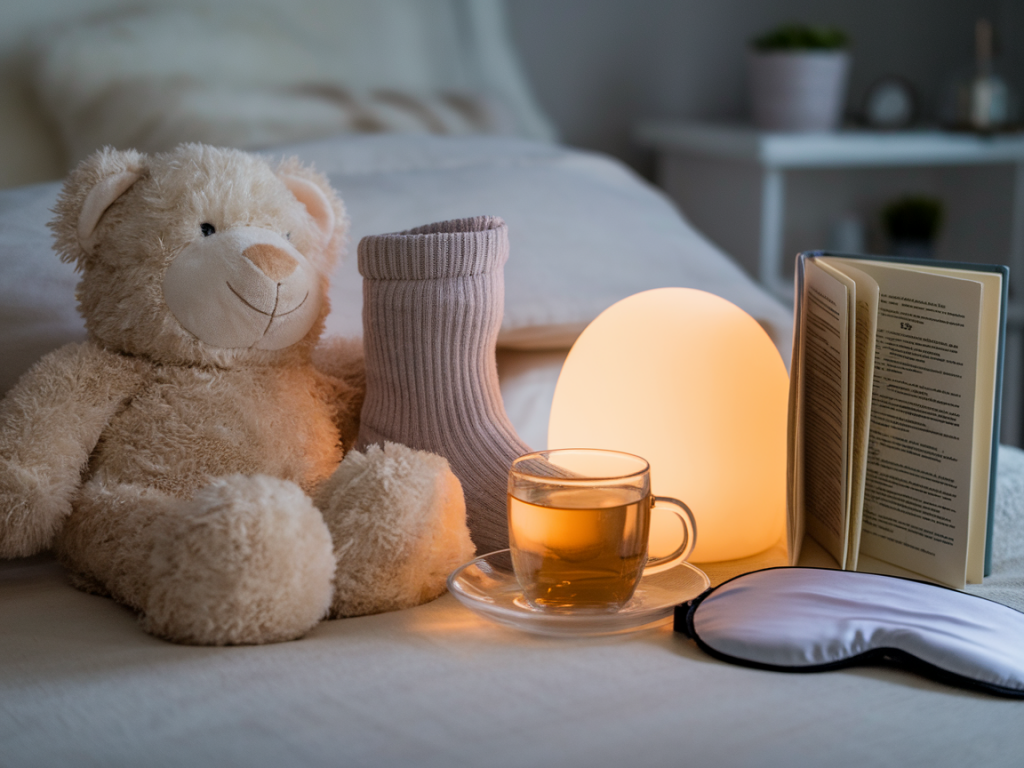
I used to lie awake in the middle of the night, watching the clock, replaying conversations, or worrying about what the next day would demand. Over time I learned that those awakenings rarely start in the middle of the night—they’re often cued by how we close the day. A short, consistent wind-down can reduce the frequency and intensity of middle-of-the-night wakings by signalling to the body that it's safe to stay asleep. Below I share a simple, portable 10-minute bedtime wind-down kit and the exact way I use it when I want to prevent or soothe night-time awakenings.
Why a 10-minute wind-down can stop middle-of-the-night wakings
Our nervous system responds to routines and cues. A gentle, predictable ritual before bed activates the parasympathetic nervous system (the “rest and digest” mode), lowering heart rate and quieting the mind. Doing something short and repeatable—rather than a long, elaborate routine—makes it sustainable. When you consistently give your brain a calm signal before sleep, night-time arousals are less likely to spin into rumination or full awakenings.
What’s in my 10-minute wind-down kit
I keep a small tray by my bedside with everything I need. The kit is designed to be simple and tactile—nothing that requires thinking hard or bright screens. You can find most of these items at a drugstore or order them online from places like Boots or Amazon.
- A lightweight eye mask — to reduce light and create a cue of darkness.
- Earplugs or soft sleep earbuds — to dampen sudden noises; I like foam plugs or the soft silicone plugs from brands like Mack’s.
- A small, reusable lavender sachet or a dropper of essential oil — for a consistent, calming scent. Lavender is evidence-backed for sleep-promoting effects for many people.
- A notepad and pen — for one-minute offloading of worries or next-day tasks.
- A 2–3-minute guided breathing track or app saved to your phone — I use a local audio file to avoid blue light or notification interruptions; apps like Calm or Headspace also have suitable short breath practices.
- A lightweight throw or extra blanket — a tactile cue of comfort and warmth.
How to use the kit: a 10-minute sequence I actually follow
Keep this routine simple and perform it as close to your intended bedtime as possible. The point is to create a ritual—not to add pressure. Time estimates are approximate and the whole thing should be manageable even on busy nights.
- Minute 0–1: Turn down the lights and set the scene. Dim the overhead lights and switch on a warm bedside lamp. Put on the eye mask if you like and pull the throw over your knees. This physical change in lighting and temperature is a powerful cue to your brain.
- Minute 1–3: One-minute brain dump. Grab your notepad and write, very quickly, anything that’s on your mind—tasks, worries, a reminder. Keep it short. The act of writing transfers the “sticky” thoughts from your head to paper and reduces the urge to ruminate if you wake up later.
- Minute 3–6: Scent and breathing. Dab a tiny amount of lavender oil on the inside of your wrist or place the sachet near your pillow. Close your eyes and play a 2–3-minute breathing track. Try a simple 4-6 breath pattern: inhale for 4, exhale for 6. Slow, prolonged exhales signal the nervous system to relax.
- Minute 6–8: Body scan mini-check. While lying down, do a quick, gentle body scan from toes to head. Notice any areas of tightness and breathe into them. Don’t try to “fix” anything—just observe and soften.
- Minute 8–10: Gentle affirmation and lights out. Place your notepad out of reach, tell yourself a short calming phrase like “I’m safe to sleep,” and turn off remaining lamps. If you’d like white noise, switch on a fan or a white-noise app with auto-off.
How to use the kit when you wake up in the night
If you wake in the night, aim to treat that moment like bedtime—not a reason to get anxious. Keep the kit within arm’s reach so you don’t have to fully wake up to use it.
- Don’t check the clock. Looking at the time increases stress and makes it harder to re-fall asleep.
- Use the breathing track for 2–3 minutes. Slow exhalations can quickly reduce arousal.
- Do a 30–60 second body scan. Notice any tension and breathe into it. Soften your jaw and shoulders.
- If thoughts persist, write one line. Use your notepad to jot a single sentence: “I will address this at X time.” Then close the page and set the pad aside—this small promise reduces the brain’s “unfinished business” feeling.
- Use scent sparingly. A brief sniff of lavender can be calming but avoid vigorous rituals that wake you up more.
Practical tweaks and troubleshooting
If your middle-of-the-night wakings are frequent and intense, consider these adjustments:
- Timing: Move the wind-down earlier if you’re often lying awake before sleep; a 10-minute routine is still useful but starting it 20–30 minutes before bed can help.
- Stimulants: Cut back on caffeine and alcohol in the evening—both increase the likelihood of awakenings.
- Temperature: Keep the bedroom slightly cool (around 16–19°C / 60–67°F). If night sweats are waking you, swap heavy blankets for breathable cotton or linen.
- Light exposure: Avoid screens for at least 30 minutes before bed. If you need to use your phone for the breathing track, set screen to night mode and hold it face down on airplane mode.
| Item | Why it helps |
|---|---|
| Eye mask | Blocks light and deepens melatonin signalling |
| Notepad & pen | Offloads rumination and unfinished tasks |
| Lavender (sachet or oil) | Consistent calming scent; small evidence for improved sleep |
| Breathing audio | Quickly down-regulates arousal via paced breathing |
A few compassionate notes
This kit is not a cure-all. If you have persistent insomnia, sleep apnea, or mood disorders, this routine should complement professional care rather than replace it. I always encourage a gentle, non-judgmental approach: if one element doesn’t suit you—maybe scent gives you headaches, or an eye mask feels claustrophobic—adapt it. The goal is a reliable, low-effort ritual that calms the nervous system and reduces the chance your middle-of-the-night wakefulness will turn into hours of rumination.
If you want, try this sequence for two weeks before tweaking anything. Small, consistent changes add up—often the relief we find is in the gentle repetition of a practice that tells our bodies, night after night, that sleep is a safe place to stay.