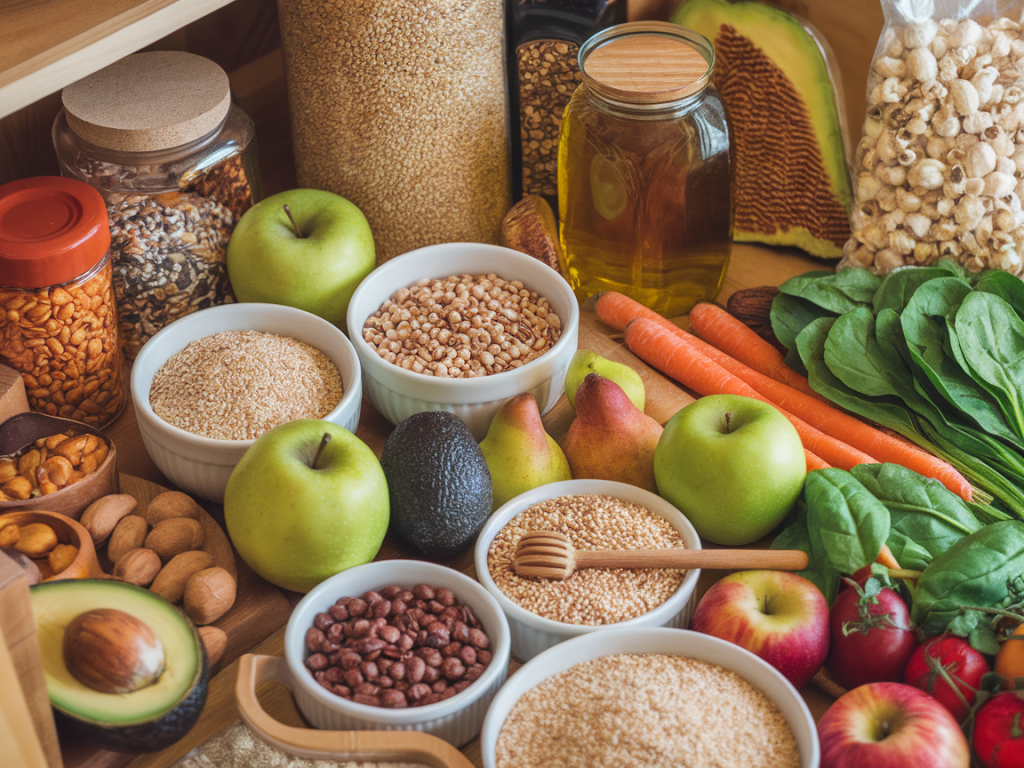
I often hear people ask: “Can changing what’s in my pantry really make a difference to inflammation or my ability to think clearly?” From my own experiments and the evidence I’ve read, the answer is yes — but only when swaps are simple, consistent and fit into your life. I want to share the practical pantry swaps that have helped me and many readers reduce inflammatory triggers and support clearer thinking, without overhauling your whole kitchen overnight.
Why pantry swaps matter for inflammation and mental clarity
Inflammation isn’t just about aches and pains — chronic low-grade inflammation can subtly affect energy, mood and cognitive function. Diet plays a big role: some foods promote inflammatory pathways, while others help calm them. Swapping a few staple ingredients for more anti-inflammatory alternatives is a low-effort way to shift your baseline over time.
I’m not promising a miracle, but I’ve noticed (and heard from others) that making modest, sustainable changes — like replacing refined seed oils or adding more omega-3 rich foods — can reduce brain fog, ease tension and improve overall resilience to stress.
Core principles I follow when I tidy my pantry
- Choose whole foods over ultra-processed options. The fewer the ingredients you don’t recognise, the better.
- Prioritise healthy fats and fibre. They help regulate inflammation, blood sugar and satiety.
- Focus on variety. Different plant foods provide different polyphenols and nutrients that support the brain.
- Make swaps you’ll actually use. If you hate turmeric, don’t buy a giant jar. Small, realistic changes stick.
Everyday pantry swaps that are easy to implement
- Refined vegetable oils → Extra virgin olive oil or avocado oil. Many refined seed oils (like some supermarket sunflower or vegetable oils) are highly processed and high in omega-6 fats that can promote inflammation when consumed in excess. For salads, dressings and low-to-medium heat cooking I use extra virgin olive oil (I like the fruity varieties from California or Spain). For higher-heat cooking, avocado oil has a neutral flavour and a high smoke point.
- White rice/pasta → Wholegrain rice, quinoa, or legume-based pasta. Refined grains spike blood sugar more quickly which can exacerbate inflammation. I keep a mix of basmati brown rice, quick-cook quinoa and a few packets of chickpea pasta (like Biona or Barilla’s legume range) for when I want the texture of pasta but more fibre and protein.
- Refined sugar sweets → Dark chocolate or naturally sweet snacks. I still enjoy treats, but I’ve swapped out jammy pastries for a square of 70%+ dark chocolate or baked apples with cinnamon. Dates and dried figs are my go-to for natural sweetness in smoothies or energy balls.
- Packaged crackers/cookies → Nuts, seeds, and roasted chickpeas. Instead of reaching for inflammatory snacks, I keep a jar of mixed nuts (almonds, walnuts, Brazil nuts) and roasted chickpeas seasoned with smoked paprika. Walnuts provide plant-based omega-3s which are great for brain health.
- Regular milk chocolate or milk → Reduced-sugar plant milk or keeping dairy minimal if it bothers you. Some people notice improved clarity when they reduce dairy — if that’s you, try oat or almond milk (I like Oatly Barista Edition for coffee). Make changes slowly to see what suits your digestion and mood.
- Store-bought sauces high in sugar/salt → Homemade or simplified jarred sauces. Many sauces hide sugar and seed oils. I make a basic tomato sauce using canned San Marzano tomatoes, olive oil, garlic and oregano, and freeze portions. If I buy jarred sauces, I read labels and opt for ones with simple ingredient lists.
- Salt-heavy snacks → Seaweed snacks or lightly salted nuts. Seaweed snacks are low-calorie, contain iodine and offer umami without inflammatory processing. They’re a great occasional swap to reduce reliance on crisps.
Swaps for boosting anti-inflammatory nutrients
These swaps focus on packing more polyphenols, omega-3s and fibre into everyday meals — nutrients that support both body and brain.
- Butter → Olive oil or nut butter. For spreading, I sometimes use a thin layer of almond butter on toast with banana. For cooking, olive oil helps, and for baking, a combo of mashed banana and a little olive oil can work.
- Shelf-stable tuna in oil → Tinned sardines or wild salmon in water/oil. Sardines are rich in EPA and DHA (long-chain omega-3s). They’re also low on the processing scale and inexpensive. I keep a few tins for quick salads and toast toppers.
- Salted/processed meat → Canned beans or jackfruit for texture. Reducing processed meats supports lower inflammation. Canned beans (chickpeas, cannellini) are versatile, cheap and fibre-rich. Jackfruit works well in tacos as a pulled-meat alternative.
- Refined snack bars → Homemade granola or oats with seeds. Many commercial “healthy” bars are high in sugar and oil. I make a simple granola with oats, chia seeds, pumpkin seeds, a little maple syrup and coconut oil; it’s crunchy and far less inflammatory than many bars.
Quick reference table of swaps
| Common item | Swap to | Why |
|---|---|---|
| Vegetable/sunflower oil | Extra virgin olive oil / avocado oil | Less processed, lower omega-6 load, anti-inflammatory polyphenols |
| White bread | Wholegrain/multigrain or sourdough | More fibre, better blood sugar control |
| Instant noodles / ready meals | Whole grains + tinned beans + frozen veg | Less additives, more nutrients and fibre |
| High-sugar drinks | Sparkling water with lemon, herbal teas | Reduces sugar spikes and inflammation |
Practical tips to make swaps stick
- Start small. Replace one thing at a time — perhaps the cooking oil this week, then the snacks next week.
- Use what you love. If you enjoy the food, you’ll keep eating it. I swapped my sugary cereal for overnight oats because I liked the texture and the ease.
- Batch-cook or prep basics. Having cooked whole grains, roasted veggies and simple sauces in jars makes healthier choices the easiest option.
- Read labels but don’t be obsessed. Look for short ingredient lists and avoid hidden sugars and seed oils. Apps can help, but your taste buds are a great guide too.
- Allow treats. Occasional refined foods aren’t the enemy. The goal is overall pattern and balance.
If you’re managing a medical condition or taking medications, it’s always wise to check with a healthcare professional before making major diet changes. For the rest of us, these swaps are gentle, doable ways to reduce inflammatory burden and create clearer, calmer days — one pantry item at a time.