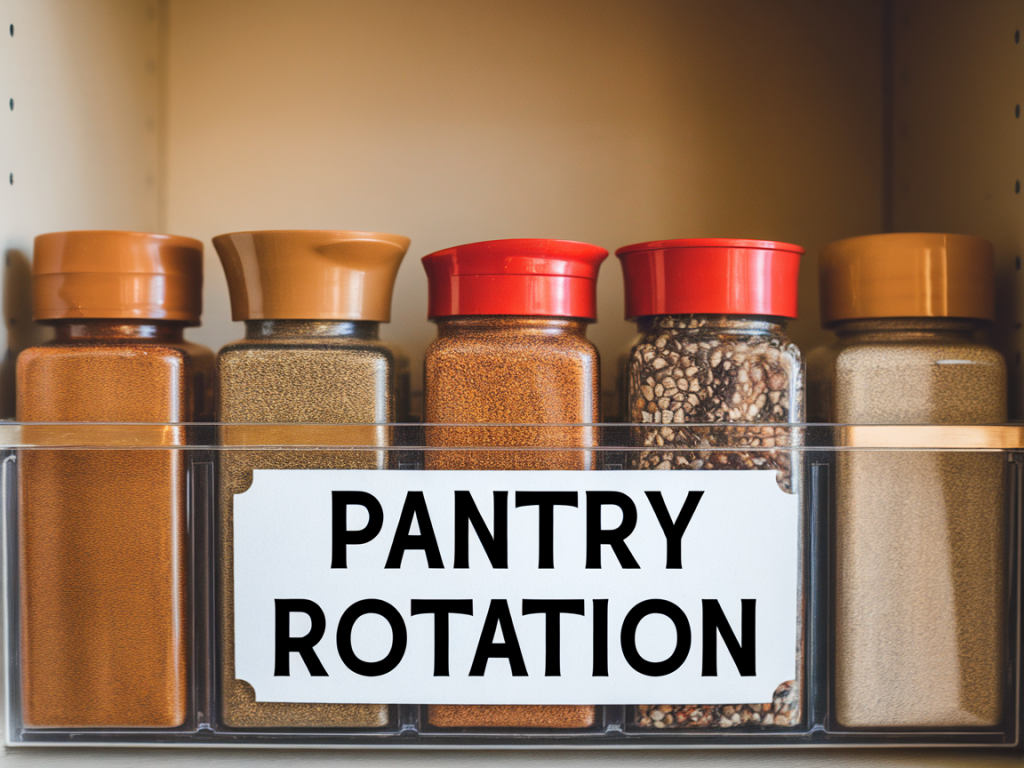
When I first started simplifying my weeknight cooking, I was exhausted by the endless stream of choices: what to cook, what to buy, whether meal A would spoil before I used it, and whether I’d actually feel fed afterward. Decision fatigue was quietly eating my energy—and my ability to make healthy choices. That’s when I began experimenting with a five-item pantry rotation, a tiny, repeating set of reliable staples I keep on hand and rotate each week. It’s not about restriction; it’s about creating structure that makes nourishing myself the default.
What is a five-item pantry rotation?
The idea is delightfully simple: choose five versatile, nutritious pantry foods you enjoy and build a week’s meals around them—combined with fresh produce and a protein or two. Every week, you rotate which five staples are the focus. Over time you’ll have a small toolkit that covers breakfasts, lunches, dinners, snacks, and even a few treats without the overwhelm of endless options.
Why five items?
Five is a sweet spot—small enough to reduce decisions, large enough for variety. It’s also practical for shopping and storage: five shelf-stable items are easy to keep visible and top-of-mind. This approach reduces waste, lowers grocery costs, and leaves mental space for more important decisions.
How I choose the five
When I pick my weekly five, I look for staples that are:
Examples that often make my list are: canned chickpeas, brown rice, canned tomatoes, rolled oats, and tahini. Other favourites include lentils, whole wheat pasta, canned salmon, quinoa, and nut butter.
Sample five-item rotation and a weekly plan
Here’s a sample week using these five pantry stars: canned chickpeas, brown rice, canned tomatoes, rolled oats, and tahini. I pair them with fresh veg, a protein (tofu, eggs, or chicken), and simple seasonings.
| Day | Meal idea |
|---|---|
| Monday | Chickpea & tomato rice bowl with spinach and a drizzle of tahini |
| Tuesday | Oats with banana and nut butter (breakfast) / Lentil-swap: pan-fried tofu with tomato rice at dinner |
| Wednesday | Chickpea salad with lemon, herbs and brown rice |
| Thursday | Tomato & chickpea shakshuka-style with eggs and crusty bread |
| Friday | Open-faced tahini & brown rice bowl with roasted veg |
| Weekend | Repeat favourites, bake oat pancakes, or use leftovers for a simple wrap |
Easy recipes using five items
Here are three quick preparations I rely on. They scale up or down depending on how many people I’m feeding.
1. Chickpea & tomato rice bowl
2. Savoury oats with tahini
3. Tomato & chickpea shakshuka
How to shop and stock for rotation
Before shopping, take a minute to check your fridge and pantry so you don’t double-buy. I keep a small visible shelf or box labelled “Rotation” so I can see at a glance what’s left. When I plan the next week, I swap items in and out—maybe rice gets replaced by pasta or canned salmon replaces chickpeas. Here’s a checklist I use:
Tips to keep variety and avoid boredom
Using the same five items doesn’t mean eating the same meal every day. Small switches in seasoning, texture or format make a huge difference:
Meal prep and time-saving hacks
I batch-cook a big pot of brown rice or quinoa at the start of the week and store it in the fridge for up to 5 days. Canned beans are great because they require no prep; I rinse them and flavor them quickly in a skillet. Rolled oats can be overnight oats in the fridge or a fast stove-top breakfast.
Invest in a few kitchen tools that save time: a good non-stick skillet, a colander for rinsing beans, and airtight containers for storing cooked grains. I also keep a jar of mixed spices—garlic powder, smoked paprika, dried oregano—that I can sprinkle on anything.
Adjusting for dietary needs
This system is flexible. If you’re vegetarian or vegan, lean on beans, lentils, canned tempeh or tofu and nut butters. If you’re gluten-free, choose rice, quinoa or certified gluten-free oats. For low-carb preferences, swap grains for cauliflower rice or spiralized veg. The rotating concept stays the same—pick five compatible staples that meet your needs.
Common questions I get
Will this get boring? Not if you rotate the five each week and play with seasonings and formats. Variety comes from how you combine ingredients, not from having dozens of separate items.
What if I love more than five things? Great! Choose your most reliable five for the week, and keep extras for special meals. The goal is to reduce decision-making, not to limit pleasure.
Can I extend the idea to two weeks or more? Yes. Some staples (canned goods, grains) last a long time. I sometimes plan a two-week rotation with ten items—two sets of five—if my schedule allows for a slightly broader plan.
Storage and waste reduction
Label leftovers with dates and use clear containers so you can see what’s inside. Freeze portions you won’t eat within a few days. Canned goods have long shelf lives; I rotate older cans to the front so they get used first. This small routine has cut my food waste significantly.
Using a five-item pantry rotation didn’t make me a perfect cook overnight—but it did give me back mental energy, lowered grocery overwhelm, and made it easier to choose nourishing meals six days a week. If this feels daunting, start with one week: pick five items, shop for a few fresh ingredients, and notice how much simpler dinner feels.