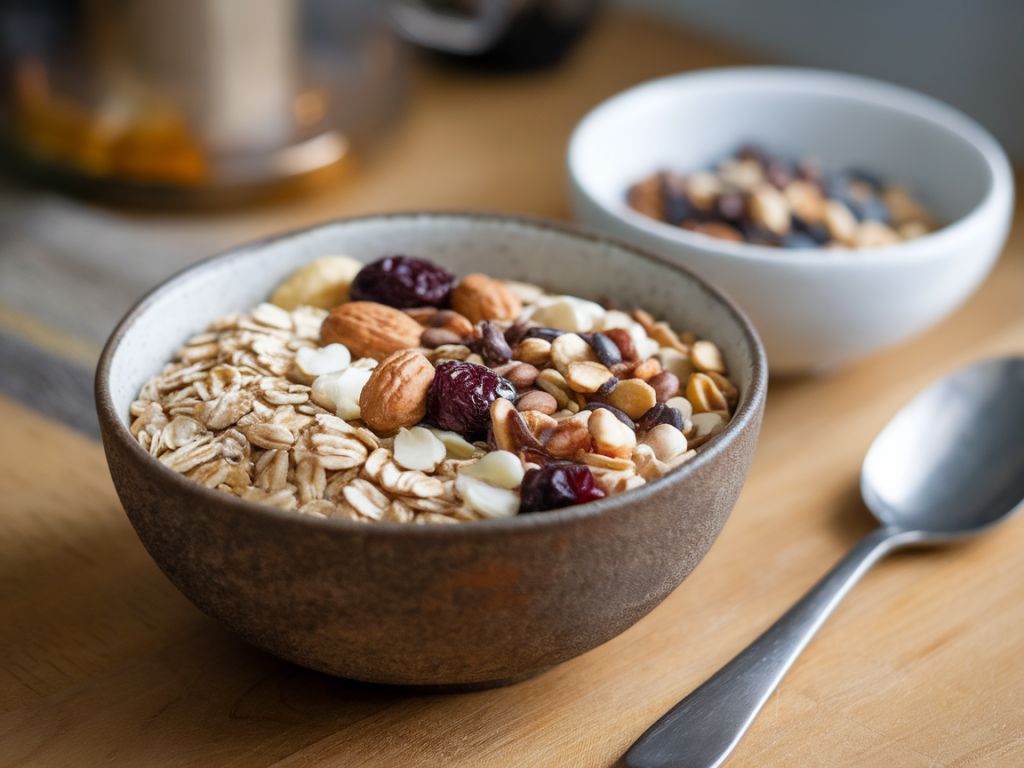
I often find that when anxiety quietly creeps in, the last thing I want is to stand in the kitchen for ages or follow a complicated recipe. Over the years I’ve learned that small, nourishing meals made from what’s already in the pantry can steady my nerves, soothe my digestion and pull me back to the present. Below are simple, evidence-informed ideas and tiny rituals you can use right away—no special shopping trip required.
Why food can help with anxiety (in plain terms)
Food doesn’t cure anxiety, but it can support brain chemistry, balance blood sugar and calm the nervous system. Foods rich in complex carbohydrates, magnesium, omega-3s, vitamin C and probiotics all have roles to play. For example, complex carbs help steady blood sugar (which reduces jittery feelings), magnesium supports muscle relaxation, and fermented foods can influence the gut-brain axis.
I like thinking of meals as small stability checks: a predictable combination of protein + carbohydrate + healthy fat + something fibre-rich. When I eat that way, my energy and mood tend to feel steadier, which makes it easier to use other tools—breathing, walking, talking to a friend—when anxiety shows up.
Pantry-friendly anti-anxiety ingredients
You might already have most of these on hand. Keep this short list as a mental checklist when you open the cupboard.
- Whole grains: oats, brown rice, wholegrain pasta, quinoa
- Legumes: lentils, chickpeas, canned beans
- Fatty fish or tins: canned salmon, sardines, mackerel (for omega‑3s)
- Nuts & seeds: almonds, walnuts, chia, flaxseed (magnesium and healthy fats)
- Dairy or alternatives: plain yogurt (probiotics), kefir, or unsweetened plant milks
- Veg & fruit: frozen berries, bananas, leafy greens, citrus (vitamin C)
- Herbs & spices: turmeric, ginger, cinnamon, black pepper
- Comfort staples: eggs, canned tomatoes, olive oil, garlic, onions
| Ingredient | Why it's calming | Quick use |
|---|---|---|
| Oats | Slow-release carbs, boosting serotonin | Warm bowl with milk and banana |
| Yogurt | Probiotics support gut-brain axis | Mix with berries and seeds |
| Walnuts | Omega-3s for brain health | Snack or stir into porridge |
| Spinach | Magnesium + folate | Add to soups, omelettes or smoothies |
Fast, calming meals with things you already have
Here are the practical combos I reach for when I want something simple and soothing.
1. Comforting porridge bowl
Cook oats with milk or water. Stir in a mashed banana (for potassium and natural sweetness), a spoonful of nut butter (protein and fats) and a sprinkle of cinnamon (blood sugar friendly). Top with a few walnuts or chia seeds. This mix provides complex carbs, magnesium and healthy fats—all quietly calming.
2. Lazy tuna or salmon toast
Toast whole grain bread, mash canned tuna or salmon with a little yoghurt or olive oil, lemon, salt and pepper. Add sliced tomato or avocado if you have it. The omega-3s and protein stabilize mood and keep blood sugar steady—plus it takes five minutes.
3. One-pot lentil & tomato stew
Sauté an onion and garlic in olive oil, add a cup of rinsed lentils, a can of chopped tomatoes, a bay leaf, water or stock, and simmer 20–25 minutes. Stir in spinach at the end. Lentils deliver steady energy and fibre, and the warm bowl feels grounding. If you have cumin or smoked paprika, add a pinch for comfort.
4. Yogurt & berry bowl with seeds
Plain yogurt (or a probiotic plant alternative) topped with frozen berries, a drizzle of honey, and a mix of flax and chia. It’s refreshing, quick, and supports gut health. I keep Alpro plain unsweetened so I can control sweetness; use what you prefer.
5. Egg + grain power plate
Scramble or poach an egg, serve on leftover rice or quinoa with sautéed greens and a splash of soy or lemon. The combination of protein, carbohydrates and iron-rich greens helps calm and nourish without weighing you down.
Quick swaps to make meals more anxiety-friendly
- Choose wholegrain bread/pasta/rice over refined versions to avoid blood sugar spikes.
- Add a handful of greens or a piece of fruit to meals to increase fibre and micronutrients.
- Include a small portion of nuts, seeds or oily fish a few times a week for omega-3s.
- Swap sugary snacks for yogurt + fruit or oat-based snacks that release energy slowly.
- If caffeine increases your anxiety, try half-caffeinated tea or switch to roasted dandelion/rooibos in the afternoon.
Micro-rituals when you eat (they help as much as the food)
Food is more than nutrients—how we eat matters. I pair these meals with tiny rituals that signal safety to my nervous system:
- Pause and take three slow breaths before the first bite.
- Eat sitting down, even if it’s just for five minutes, and put my phone away.
- Noticing textures and flavours—this practice of mindful eating helps me stay present and reduces rumination.
- Drink a warm herbal tea after the meal—chamomile, lemon balm or green tea (if caffeine is okay for you).
When to seek professional help
These meals and rituals are supportive and practical for mild-to-moderate anxiety or for calming acute moments. If anxiety is persistent, interfering with daily life, or accompanied by panic attacks or low mood, please seek support from a healthcare professional. Nutrition can complement therapy and medication but shouldn’t replace them.
Try one of these simple ideas today—no shopping list, no pressure. Start with a grounding bite, a breath, and notice how your body responds. Small, consistent changes like these have a gentle compounding effect on wellbeing.

