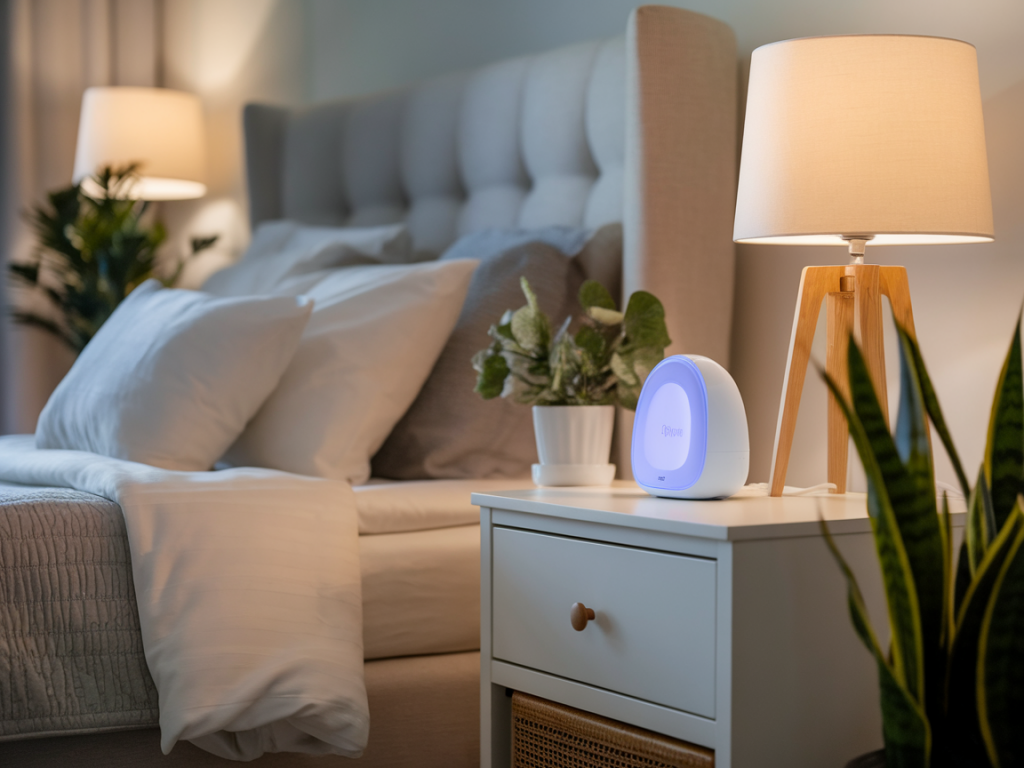
I used to think a perfect bedtime routine meant an hour of calm, candles, stretched muscles and zero screens — a kind of Pinterest-perfect wind-down that, frankly, my life rarely allowed. Over time I learned that small, consistent rituals can be far more powerful than elaborate rituals done now and then. That’s what led me to experiment with a concise, 20-minute evening routine that actually fits into busy lives and consistently helps me fall asleep more easily and sleep more soundly.
Why even short rituals help
When our days are busy, our nervous system can stay in a state of low-level activation — a mix of ongoing thoughts, tension in the body and the leftover adrenaline of problem-solving. A short, predictable evening ritual works as a gentle signal to the brain that the day is closing. It doesn’t need to eliminate every worry, it just needs to lower physiological arousal enough to make falling asleep easier.
Research on sleep hygiene and behavioural sleep interventions supports the idea that routines and cues (consistency, dim light, relaxation exercises) can shift circadian timing and reduce sleep latency. In practice, the best ritual is one you will actually do — simple, repeatable and kind to your body.
How I built a 20-minute routine that sticks
My guiding principles were: keep it short, make it sensory (touch/smell/sound), and include one cognitive-offloading step (so my mind has less to replay). Here’s the structure I now follow most nights. I keep the components flexible — on some evenings I swap a movement element for longer journaling, or use a guided meditation app like Insight Timer or Headspace when I need more help quieting my mind.
| Time | Action | Purpose |
|---|---|---|
| 0–3 mins | Dim lights + prepare bedside (water, lip balm, aromatherapy) | Cue melatonin production and reduce alertness |
| 3–8 mins | Movement or gentle stretching (neck rolls, child’s pose) | Release physical tension |
| 8–12 mins | 2–3 minute breathing practice (box or 4-6-8) | Engage parasympathetic nervous system |
| 12–18 mins | Write a 3-item tomorrow list + 3 things I’m grateful for | Cognitive offloading and positive focus |
| 18–20 mins | Lie down, do a two-minute body scan or calming audio | Transition to sleep |
Step-by-step: what I actually do
0–3 minutes: I dim the lights (I use a bedside lamp or Philips Hue bulb) and turn my phone to Do Not Disturb. I put a small glass of water and lip balm on my nightstand. Sometimes I dab a little lavender oil on my wrists — it’s not a cure, but the scent becomes a helpful cue.
3–8 minutes: I do gentle movements — slow neck rolls, shoulder circles, and a forward fold to release my back. You don’t need a mat or a class: the goal is to notice where you hold tension and move in ways that feel soft. On days with more stiffness, I add a gentle hip opener or a one-minute cat-cow sequence.
8–12 minutes: I practice a short breathing exercise. My favourite is 4-6-8: inhale for 4 counts, hold for 6, exhale for 8. It’s easy to anchor to a count and tends to slow heart rate and quiet the mind. If breathing feels tense, try box breathing (4-4-4-4) or a guided 3-minute breath meditation from an app.
12–18 minutes: This is my non-negotiable cognitive-offload. I keep a small notebook by the bed and write a three-item “tomorrow” list — not a full to-do list, just the three most important things. Then I write three small things I’m grateful for that day. This process takes away the “must remember” tension and nudges my mind toward positive memories instead of replaying anxieties.
18–20 minutes: I lie down and do a quick body scan, moving attention slowly from toes to head and softening each area. If I’m wired, I’ll play a two-minute guided relaxation or binaural sound from an app like Calm, but often the body scan alone is enough to make sleep feel possible.
Why each element matters (briefly)
Real-life tweaks that help it stick
Life isn’t predictable, and my routine has adapted over time. On travel nights I shorten it to 10 minutes (quick breathing + one gratitude). If I’ve had coffee late or a stressful meeting, I add an extra five minutes of breathwork. The point is less about rigidity and more about consistency: even imperfect execution most nights creates the signal my brain learns to respond to.
If you struggle with falling asleep because of rumination, you might benefit from a slightly longer cognitive-offload — perhaps a 10-minute brain dump earlier in the evening. If you wake at night, try keeping the breathing and body scan tools ready instead of looking at the clock.
When to avoid “sleep hygiene guilt”
Routines work best when they feel kind and doable, not punitive. If a strict ritual makes you feel anxious (“I must do this perfectly or I’ll never sleep”), scale it back. Replace pressure with curiosity: notice what helps most, and make that the non-negotiable. For many people, the biggest wins come from small, consistent changes — not from an immaculate bedtime routine.
Tools and products I mention
If you try this 20-minute routine, give it two weeks of consistent practice before judging its effects. Track how long it takes you to fall asleep and how you feel in the morning. I find that even on busy weeks, this compact ritual lowers my sleep latency and leaves me waking with a little more softness and steadiness — small changes that add up over time.