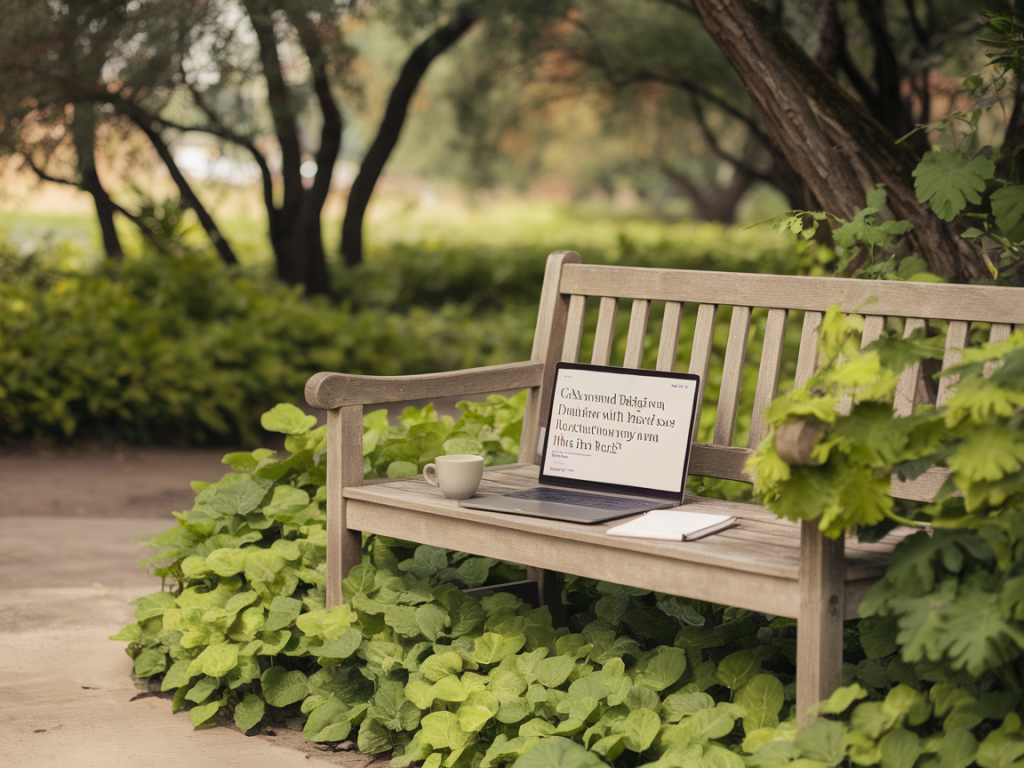
I used to believe that a big digital detox — delete-all-apps, go-off-grid kind of weekend — was the only way to ‘reset’ my attention. Then I learned that drastic measures often backfire: they can feel overwhelming, impractical, and leave you scrambling on Monday. Over the past few years I’ve experimented with a gentler approach that fits into a busy life: a weekend digital declutter paired with short, timed check-ins. The combination feels less dramatic but more sustainable, and I want to share how and why it works, plus practical steps you can try.
Why a weekend is a useful window
A weekend gives enough time to notice patterns without requiring a huge sacrifice. It’s long enough to break the automatic pull to check notifications, yet short enough that most people can commit. I like weekends because they often contain predictable anchors — a morning cup of tea, a walk, or family time — that make it easier to slot in intentional tech pauses.
But a weekend alone isn’t enough. Without structure, we often replace one distraction with another (hello, doomscrolling in bed). That’s where timed check-ins come in: they create boundaries that are flexible, clear and compassionate. Instead of white-knuckling your phone for 48 hours, you set gentle agreements with yourself — I’ll look at messages at 11:00 and 17:00 — and then notice how the space between those checks feels.
How timed check-ins help reset attention
Here are the core ways short, scheduled checks actually support attention:
There’s some research that supports this practice: scheduled breaks and attention management strategies can reduce cognitive load and improve task performance. While science doesn't promise a miracle, pairing structure with small behavioural experiments tends to bring noticeable improvements.
My simple weekend plan (what I actually do)
I start with an intention-setting step on Friday evening — no shaming, just a friendly note to myself. My default plan looks like this:
Those timed check-ins give me a predictable rhythm. I don’t have to constantly decide “Can I look now?” which reduces decision fatigue. Instead, attention becomes a practice: intentional, measured, and kind.
Practical tools and nudges I use
You don’t need fancy tech for this — a plain kitchen timer works fine — but I like a few tools that make the process smoother:
What tends to come up (and how I respond)
It’s normal for resistance to show up. Here are common patterns I notice and what I do instead of beating myself up:
How to adapt the approach for different lives
This method is flexible. Here are a few adaptations I’ve used with clients and friends:
| Situation | Quick adaptation |
|---|---|
| High email load | Batch emails into two 20-minute slots instead of constant checking |
| Social media heavy | Limit to one platform and two timed checks, or use app timers |
| Need to be reachable | Use priority lists in Focus mode and communicate your windows |
What to notice after the weekend
On Monday, I don’t expect total transformation. What I look for are small signals: Was my attention less fragmented? Did it take longer for me to reach for the phone? Did I enjoy small moments more? Often those gentle changes are the most meaningful — they show the brain that it can tolerate, and even enjoy, more sustained presence.
If the experiment feels helpful, I slot a shorter version into my week (for example, Tuesday evening with two timed checks). Over time these micro-practices rewire habit without harsh rules. And if it doesn’t work — that’s data, not failure. I tweak the schedule, reduce pressure, or try a different anchor.