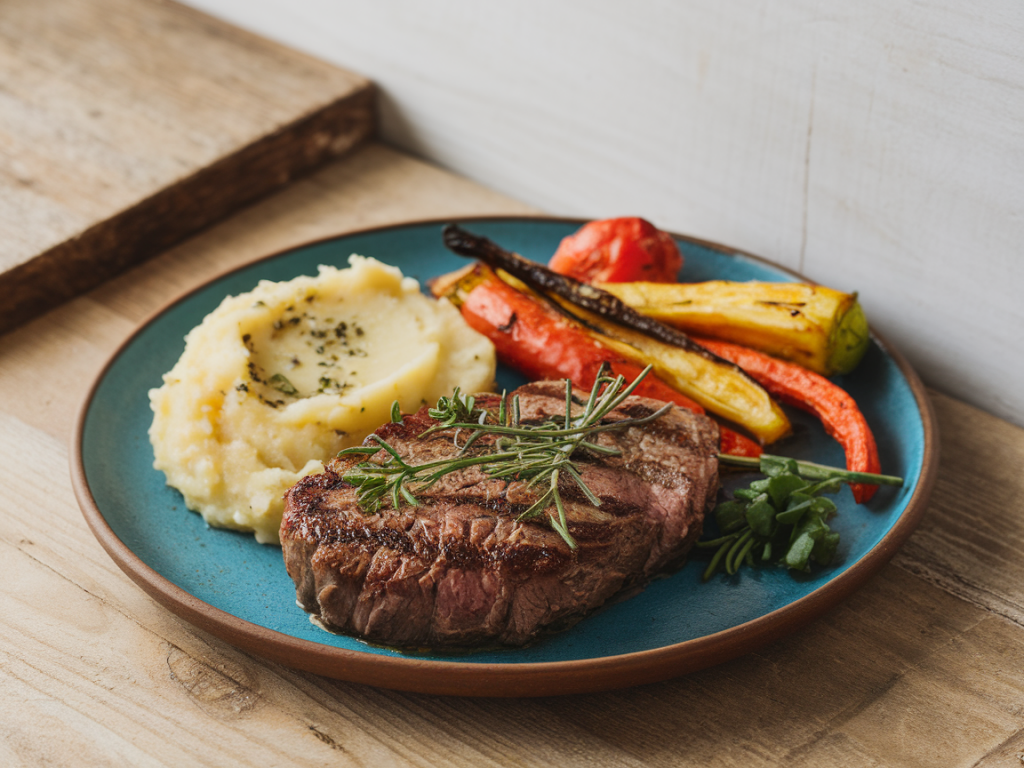
Some evenings I walk in the door feeling like my energy tank is flashing red. I want a nourishing dinner, not instant noodles, but I also don't have the bandwidth for a complicated recipe or a long shop run. Over the years I’ve developed a small habit that rescues those tired weeknights: a 15-minute fridge-to-plate rotation. It’s a rinse-and-repeat approach that turns what’s already in my fridge into a balanced, satisfying meal — with minimal fuss, little waste, and a surprisingly big mood lift.
What I mean by a 15-minute fridge-to-plate rotation
It’s a short, intentional sequence I run through as soon as I open the fridge. In 15 minutes I assess, assemble, and plate a meal built around whatever perishable items need to be used soon. The goal isn’t culinary perfection — it’s a nourishing plate that won’t take more time or decision energy than my tired brain can handle.
Why this works (and why it feels doable)
There are a few reasons this routine has stuck with me:
Reduces decision fatigue. When I have a simple set of steps, I don’t have to invent a recipe every night.Prevents waste. Rotating and using soon-to-expire items stops produce or leftovers from being forgotten in the depths of the fridge.Keeps meals balanced. The framework nudges me to include protein, veg, healthy fats and a carb — nothing elaborate, just enough to feel nourished.Boosts satisfaction. A colourful plate that’s warm and varied lifts my mood much more than the same-old cereal or takeout.My simple 15-minute plan (step-by-step)
I time this so it’s rapid but relaxed. You can set a timer to keep it honest.
Minute 0–2: Scan and prioritise. Open the fridge and do a quick audit: what’s expiring in the next 2 days? What looks sad but salvageable? I pick one item to be the star — often a protein or vegetable.Minute 2–5: Choose a method to cook/heat. Grilling, pan-searing, roasting at high heat (for 10–12 minutes while you prep), microwaving, or stir-frying are my go-tos. If something can be eaten cold safely (like some salads or cooked grains), that’s fine too.Minute 5–12: Assemble the plate. Aim for three components: protein, veg, and a base (rice, bread, cooked pasta, or salad greens). Add a small fat (olive oil, butter, tahini) and a flavour enhancer (soy sauce, mustard, lemon juice, or chopped herbs).Minute 12–15: Finish and plate. Dress the salad, add a quick pan sauce, sprinkle seeds or cheese, and sit down.My favourite fridge-to-plate combos
Here are pairs I rotate between — flexible, forgiving, and easy to scale up or down.
Leftover roast chicken + microwaved sweet potato + spinach. Shred the chicken, warm the sweet potato, wilt spinach in the pan with garlic and a knob of butter. Finish with a drizzle of lemon-tahini or plain yoghurt and a scattering of pumpkin seeds.Tofu + mixed veg stir-fry + instant brown rice. Cube firm tofu, toss in soy, sesame oil, and a little maple syrup. Stir-fry with any peppers, carrots, or broccoli. Serve over rice or noodles with sriracha.Canned tuna + chickpea salad + wholegrain bread. Mix tuna with drained chickpeas, diced cucumber, cherry tomatoes, olive oil, mustard, lemon and herbs. Spoon onto toast or scoop into lettuce leaves.Omelette + leftover roasted veg + grain bowl base. Whisk eggs with a splash of milk, pour over heated veg, fold and serve over quinoa or salad greens with feta and hot sauce.Smoked salmon + avocado + rye crackers or bagel. Layer slices, add capers and red onion, squeeze lemon and finish with cracked pepper for a no-cook, high-impact dinner.Staples that make the plan possible
There are a few fridge and pantry items I always keep to make the 15-minute rotation easier:
Cooked whole grains (rice, quinoa) — I batch-cook once or buy ready-to-heat pouches.At least one protein option: eggs, canned beans, tofu, smoked salmon, rotisserie chicken or canned tuna.Quick veg: cherry tomatoes, bagged salad greens, carrots, bell peppers, frozen peas or broccoli.Condiments: mustard, soy sauce, tahini, olive oil, jarred pesto, and a hot sauce like Sriracha.Extras: nuts, seeds, grated cheese or feta, lemons, and a jar of good-quality olives.Timing hacks and small prep that saves time
A little preparation — not a full meal plan — can make the fridge-to-plate flow even faster.
Half-hour weekend batch. Roast a tray of veg, cook a batch of grains and boil some eggs. Store in clear containers so you can see what needs using.Label the expiring items. A simple sticky note with the date helps prioritise what must be used first.Use heat-smart tools. A microwavable rice pouch, an air fryer, or a good non-stick pan gets things hot quickly.When you’re too tired even for 15 minutes
Some nights the idea of 15 minutes feels optimistic. On those evenings I have a fail-safe list of near-instant options that still feel nourishing:
Wholegrain toast with mashed avocado and a soft-boiled egg (make eggs ahead).Greek yoghurt with nut butter, banana, and granola.A ready-made soup (look for lower-sodium options) with a side salad made from bagged greens and pre-chopped veg.A sandwich with rotisserie chicken, spinach and hummus.How this supports wellbeing beyond nutrition
Beyond providing a meal, the rotation is a calming ritual. It helps me step out of autopilot, make a small creative decision, and feel accomplished before the evening does anything else. The rewards are practical (less waste, better energy) and emotional (a sense of care). It’s one of those habits where small consistency equals big cumulative benefit.
If you want, I can share a printable checklist or a one-week “starter” fridge list that pairs with the 15-minute framework — it’s what I give to friends who say they want easier evenings without dieting or rigid meal plans.